
A flat painted wall can behave like a placeholder when the rest of the room is asking for character. The better move is to treat the wall as part of the architecture, not a color swatch waiting for approval. That is where accent wall techniques start earning their place in a living room. Across American homes, from narrow Chicago apartments to open-plan houses in Texas suburbs, the main wall often has to do more than look nice. It has to frame the sofa, calm the TV area, support lighting, and give the room a reason to feel finished. A smart wall can also make everyday design choices feel more intentional, especially when homeowners use practical inspiration from trusted lifestyle resources like home improvement ideas while planning upgrades. Simple paint still has value, but it rarely solves shape, texture, scale, and mood on its own. A living room deserves more than one flat surface trying to carry the whole design. The wall should work harder, look richer, and feel like it belongs.
Accent Wall Techniques That Add Structure Before Style
A living room wall fails when it tries to impress before it knows its job. The strongest designs begin with structure: where the eye lands, how furniture sits, where light falls, and what the room lacks. In many U.S. homes, the living room has become the everything room. It handles family movie nights, guests, remote work, kids’ toys, and quiet Sunday coffee. A wall that ignores that reality ends up looking staged instead of lived in.
How Can Textured Wall Panels Change a Living Room?
Textured wall panels give a plain wall physical depth before color ever enters the conversation. Fluted wood, reeded MDF, slim slats, and raised geometric panels create shadows that shift throughout the day. That small movement matters because American living rooms often rely on overhead lighting that can make flat walls feel dull by evening.
A good panel design also fixes a common furniture problem. When a sofa floats against a large blank wall, the seating can look small and disconnected. A wide panel field behind it gives the sofa a visual anchor, almost like a built-in backdrop. The room feels planned, even if the furniture came from different stores over several years.
The counterintuitive part is that texture can make a room feel calmer, not busier. Homeowners often avoid panels because they fear visual clutter. Yet a single repeated groove or clean grid can quiet the wall by giving the eye a rhythm to follow. A beige painted wall may feel empty; a beige paneled wall can feel settled.
Why Does Built-In Framing Make the Wall Feel Intentional?
Built-in framing turns a wall into a designed zone instead of a decorated surface. Picture a living room in a newer Atlanta home with a long rectangular wall, a low media console, and nothing else pulling the space together. Adding vertical trim around the TV area, open side shelving, or a shallow picture-frame molding layout can make the wall feel connected to the architecture.
This approach works because framing tells the eye where to stop. Without it, art, sconces, and furniture can look scattered. With it, even modest pieces gain weight. A framed section behind a console can hold a mirror, artwork, or wall-mounted lighting without making the homeowner feel like every inch needs another object.
There is also a practical win here. Built-in framing can hide awkward proportions. A wall that feels too wide can be divided into balanced sections. A low ceiling can feel taller when vertical trim draws the eye upward. The trick is restraint. Thin, well-spaced framing usually beats heavy decorative molding in most modern American living rooms.
Materials That Give a Living Room Wall Real Character
After structure comes material, and this is where the wall starts speaking the same language as the rest of the home. A living room does not need expensive finishes to feel rich. It needs materials that react to light, touch, and daily use in a way paint cannot. The best wall ideas often borrow from floors, furniture, fireplaces, and older homes, then bring those references into a cleaner present-day layout.
What Are the Best Wood Accent Wall Ideas for Warmth?
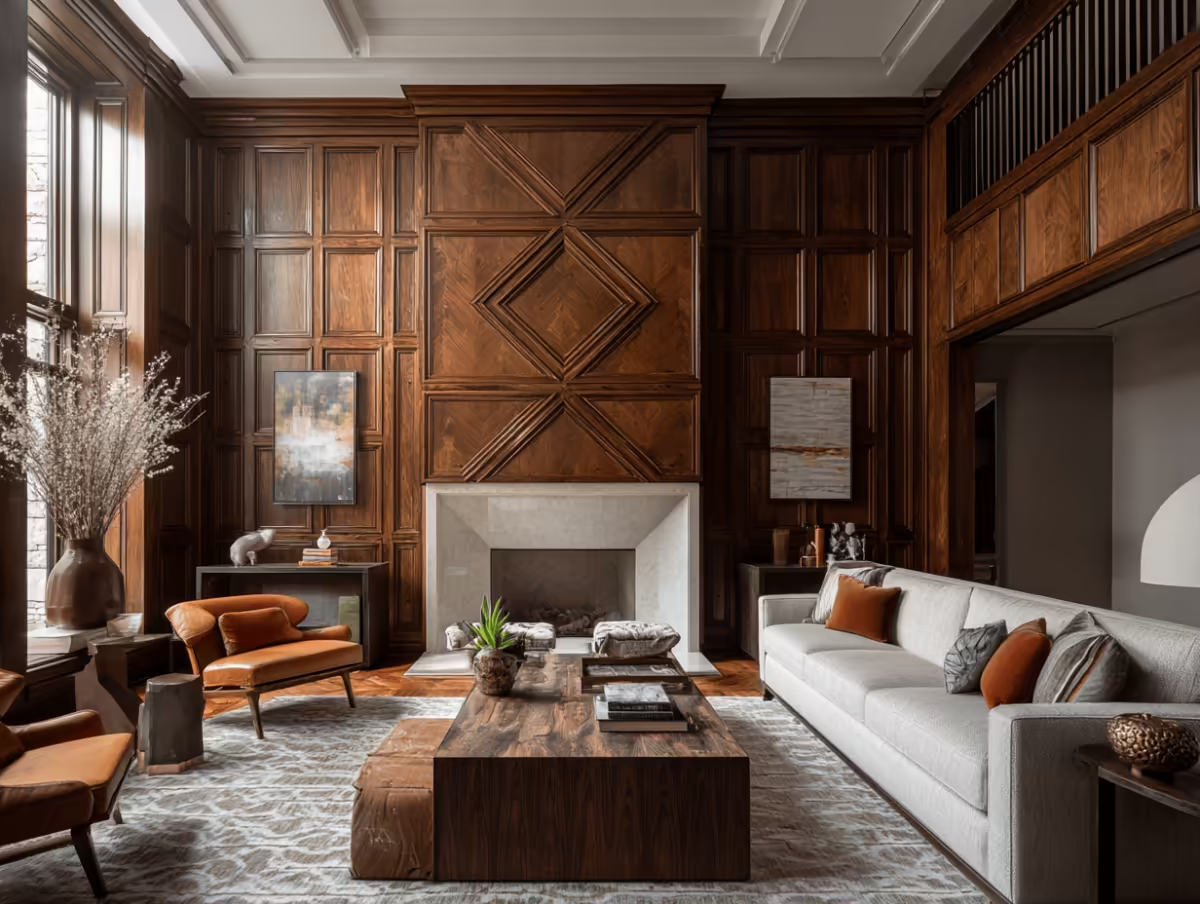
Wood accent wall ideas work because they bring temperature into a room. Not heat, exactly, but the feeling of warmth that makes a space easier to sit in. In colder states like Minnesota or Pennsylvania, wood can soften long winter evenings. In sunny California homes, pale oak or ash can keep a room bright without making it feel sterile.
A full wood wall is not the only option. A vertical slat section behind a media unit, a walnut strip around a fireplace, or a half-height wood treatment behind a reading chair can be enough. The goal is to connect the wall to furniture tones, flooring, or ceiling beams so the material feels repeated, not random.
The mistake comes when homeowners chase drama before balance. Dark wood can look beautiful, but it can also swallow light in a small apartment. A better move may be a narrow wood feature that adds grain without taking over. Wood earns trust when it feels like part of the room’s bones, not a showroom sample glued to drywall.
How Can Stone, Brick, or Tile Avoid Looking Heavy?
Stone, brick, and tile can give a living room serious presence, but they need careful editing. A brick wall in a Brooklyn brownstone feels natural because the building already carries that story. Faux brick slapped onto a suburban drywall wall can feel different. Context matters more than the material label.
Tile is often overlooked outside bathrooms and kitchens, which is a missed chance. Large-format porcelain around a fireplace can create a clean architectural slab. Zellige-style tile in a small alcove can catch light in a softer way. Stone veneer can work when the color stays close to the home’s existing palette and the layout avoids fake-random patterns.
The unexpected insight is that heavy materials often need empty space around them. A stone TV wall packed with shelves, speakers, family photos, and plants can feel crowded fast. Let the material breathe. One strong surface with a low console and quiet lighting usually carries more authority than a wall packed with proof that money was spent.
Color, Lighting, and Shape That Work Beyond Flat Paint
Material gives the wall body, but light and shape decide whether it feels alive. This is where many living rooms lose their edge. A homeowner adds a bold wall color, then wonders why it looks flat after sunset. Another adds expensive sconces, but the bulbs glare on the TV. The wall needs a plan that respects how the room changes from morning to night.
How Do Living Room Wall Design Ideas Use Light Better?
Living room wall design ideas get stronger when lighting is treated as part of the wall, not an afterthought. A textured surface without light can disappear. A flat surface with the right light can gain depth. Wall washers, plug-in sconces, picture lights, and LED strips behind shelving can all change how the surface reads.
A real example helps. In a Denver living room with a fireplace centered between two windows, a dark wall might feel moody during the day but gloomy at night. Add warm sconces on both sides and a narrow light inside the mantel shelf, and the same wall suddenly feels layered. The color did not change. The experience did.
Lighting also protects comfort. Many American living rooms place the TV on the main wall, which means glare becomes a design issue. Soft side lighting beats bright lights aimed straight at the screen. A wall should flatter the room without fighting the way people use it at 8 p.m. on a weekday.
Why Should Shapes Matter More Than Bold Color?
Shapes can create interest without forcing the room into a trend. Arched niches, asymmetrical shelving, angled wood strips, curved plaster forms, and oversized rectangular panels all guide attention through form. Color alone can shout. Shape can steer.
This matters in open-plan homes where the living room shares space with the kitchen and dining area. A loud painted wall can clash with cabinets, counters, rugs, and nearby finishes. A shaped treatment in a quiet tone can define the living zone without starting a fight with the rest of the house.
There is a quiet discipline in using shape well. Not every wall needs a giant arch or dramatic diagonal pattern. Sometimes two vertical pilasters and a recessed middle section do more than a complicated design. The room should feel composed from across the space, then reward a closer look.
Making the Accent Wall Fit Real American Living Rooms
A wall can look beautiful online and still fail inside a real home. Scale, budget, rental rules, resale concerns, pets, kids, and weekend time all matter. The best living room wall design ideas respect those limits instead of pretending everyone has a contractor, an empty house, and unlimited patience. Good design survives normal life.
What Works for Rentals, Small Spaces, and Tight Budgets?
Renters need ideas that leave little damage and still feel grown-up. Peel-and-stick wood-look panels, removable wallpaper, fabric-wrapped panels, framed canvas grids, and tension-mounted shelving can give a wall identity without risking a security deposit. The best rental upgrades look intentional, not temporary.
Small living rooms need even more restraint. A wall behind a loveseat in a New York studio may only need two tall fabric panels and a slim picture light. A compact condo in Miami might benefit from a pale textured wallpaper that reflects daylight. More design is not always better. In tight rooms, one confident move beats five nervous ones.
Budget also rewards sequencing. Start with layout, then lighting, then surface. Many homeowners spend first on a finish and later realize the furniture placement is wrong. That order burns money. A low-cost wall can look sharp when the proportions are right, while an expensive wall can look awkward when the room plan is off.
How Do You Keep a Statement Wall From Dating Fast?
Trends age fastest when they ignore the home around them. A black slat wall, limewash finish, or geometric panel pattern can look current today and tired later if it has no relationship to the room’s architecture. Longevity comes from connection. Repeat a wood tone from the floor, echo a curve from an arched doorway, or pull texture from the fireplace surround.
Accent wall techniques should also leave room for change. Art can move. Sconces can be swapped. Shelves can be restyled. A wall treatment that locks the room into one look may feel exciting at first, then stubborn by year three. Flexibility has its own kind of beauty.
The smartest homeowners think like editors. They choose one main gesture, support it with two quiet details, and stop before the wall starts begging for attention. A living room should feel better because of the wall, not dominated by it. That is the difference between design confidence and decorative noise.
Conclusion
A living room wall should not be treated like spare space that needs a quick color decision. It can shape the whole room when it handles scale, texture, lighting, and daily use with care. That does not mean every homeowner needs stone slabs, custom carpentry, or a contractor’s calendar. It means the wall deserves thought before decoration begins. The strongest rooms often come from one clear choice made with discipline: a textured panel zone, a warm wood section, a softly lit fireplace wall, or a framed surface that makes ordinary furniture look placed with purpose. Accent wall techniques work best when they solve a room problem first and create beauty second. Paint may still play a role, but it should not carry the design alone. Walk into your living room tonight, notice where your eye lands first, and decide whether that wall is doing enough. If it is not, make the next change count.
Frequently Asked Questions
What is the best accent wall idea for a small living room?
Choose a treatment that adds depth without stealing floor space, such as slim vertical panels, textured wallpaper, or a framed art grid. Keep the color close to the room’s main palette so the wall feels taller and cleaner instead of chopped off.
Are wood accent walls still popular in American homes?
Wood walls remain popular because they add warmth, texture, and a more finished look than plain paint. The most current versions use clean slats, pale oak tones, walnut accents, or partial wall treatments rather than heavy rustic boards across the entire room.
How do I choose the right wall for a living room feature?
Pick the wall that naturally holds attention when someone enters the room. In most homes, that is the wall behind the sofa, fireplace, media console, or main seating view. Avoid choosing a random side wall only because it is empty.
Can renters create a living room statement wall without damage?
Renters can use removable wallpaper, peel-and-stick panels, large framed textiles, freestanding shelving, or fabric-covered boards. The safest ideas add visual weight while keeping holes, glue residue, and permanent trim work to a minimum.
What colors work best with textured living room walls?
Warm whites, soft taupes, clay tones, muted greens, charcoal, and natural wood shades work well because they let the texture show. Strong colors can work too, but they need good lighting and enough surrounding calm to avoid feeling loud.
Should a TV go on an accent wall?
A TV can sit on a feature wall when glare, cable control, and viewing comfort are planned first. Use soft side lighting, low-sheen finishes, and balanced framing so the screen feels included rather than pasted onto a decorative surface.
How much should I spend on a living room accent wall?
Costs vary widely, but the smartest budget starts with the wall’s purpose. Paint and trim can be affordable, while custom wood, stone, or built-ins cost more. Spend first on proportion and lighting, because poor layout makes even expensive materials look wrong.
What is the easiest way to make a painted wall look less plain?
Add depth through molding, picture lights, floating shelves, large-scale art, or subtle texture. Even a simple painted wall can feel designed when it has structure, balanced objects, and lighting that creates shadow instead of leaving the surface flat.