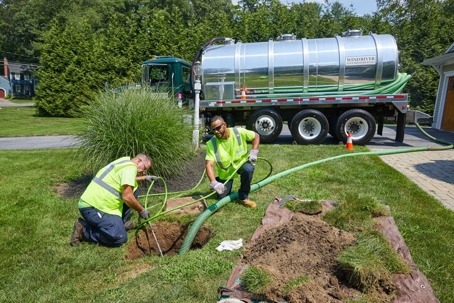
A rural home can feel peaceful until the drains slow, the yard turns soggy, or a sour smell rolls across the lawn after rain. That is when septic tank maintenance stops feeling like a boring household chore and starts looking like the difference between a normal week and a five-figure repair bill. Most American homeowners with private septic systems do not think about the tank because it sits underground, out of sight, doing dirty work quietly. That silence is useful, but it can also fool you.
A good septic routine is not about panic. It is about rhythm. You need a calendar, a few smart habits, and a clear sense of what should never enter the system. Rural families already juggle wells, long driveways, weather damage, gravel roads, and older plumbing. The septic system deserves the same practical attention as the roof or furnace. For homeowners who care about stronger home planning and local property upkeep, rural home upkeep resources can help frame maintenance as part of the bigger picture, not a last-minute emergency.
How a Septic System Works Before Trouble Starts
A septic system does not fail overnight unless something violent happens, like a crushed pipe or flooded drain field. Most failures grow slowly through skipped pumping, grease buildup, excess water, damaged bacteria, or soil that has been forced to handle more wastewater than it can absorb. The catch is simple: by the time you see the problem, the system has usually been struggling for months.
Rural homeowners need to think of the tank as a settling chamber, not a magic disposal box. Solids drop, fats rise, and liquid moves out toward the drain field. That split has to stay balanced. A family in rural Ohio with four people, daily laundry, and an older 1,000-gallon tank lives under a different workload than a retired couple in Montana who uses less water and hosts guests twice a year.
Why the Tank Needs Time to Separate Waste
Wastewater enters the tank every time you flush, shower, wash dishes, or run the washing machine. Inside the tank, heavier solids settle into sludge at the bottom while lighter grease and oils form scum at the top. The cleaner middle layer flows out toward the drain field, where soil finishes the treatment.
That process needs quiet time. When too much water rushes in at once, the tank cannot separate waste cleanly. Solids can move toward the drain field, clogging soil pores that were never meant to filter chunks of waste. Once that soil clogs, pumping the tank may not fix the damage.
This is where many rural homes get into trouble after a holiday weekend. Guests arrive, showers double, laundry piles up, and the dishwasher runs twice a day. The system may survive one busy weekend, but repeated overloads turn small stress into a pattern. Septic care schedule decisions should reflect real household use, not a vague rule someone heard years ago.
What the Drain Field Tells You Before the Tank Does
The drain field often gives earlier warnings than the tank itself. Damp strips of grass, greener patches, soft soil, or sewage odor near the field can signal that wastewater is not sinking the way it should. Homeowners sometimes blame rain first, especially in clay-heavy areas, but wet soil after dry weather deserves attention.
A drain field is not a spare yard. It is the final treatment zone for your wastewater. Parking trucks, building sheds, planting deep-rooted trees, or driving heavy equipment over it can crush pipes or compact soil. That damage is slow, silent, and expensive.
A counterintuitive truth: the prettiest grass on your property may be the loudest warning. Bright green growth over one area can mean wastewater is feeding the surface instead of filtering underground. Healthy grass is nice. Septic-fed grass is a clue.
Septic Tank Maintenance by Season and Year
A calendar beats memory every time. Septic Tank Maintenance works best when you divide tasks by season, by year, and by household changes. The goal is not to inspect everything every weekend. The goal is to catch the few things that cause most failures before they turn into excavation work.
Seasonal care matters because rural homes face weather swings. Spring rain can saturate soil. Summer guests increase water use. Fall leaves and roots can hide access points. Winter freezing can expose weak insulation or shallow lines. A septic system does not care what month it is, but soil, water, and household behavior do.
Spring and Summer Checks for Heavy Water Use
Spring is the right time to walk the property. Look for soggy soil near the drain field, standing water around the tank lid, or odors that were not there during winter. Heavy rain can reveal drainage problems around the septic area, especially if roof runoff or driveway grading sends water toward the field.
Summer brings a different kind of stress. Kids are home, relatives visit, outdoor work creates more laundry, and weekend gatherings push extra wastewater into the system. Rural homes near lakes, farms, or hunting cabins often see sharp seasonal use that the original septic design never expected.
The simple fix is spacing. Spread laundry loads across the week. Run the dishwasher when showers are not stacked back-to-back. Repair dripping faucets before they feed the tank all day. Water conservation for septic systems is less about sacrifice and more about timing.
Fall and Winter Tasks Rural Homes Often Miss
Fall is the season for finding and clearing septic access points. Many homeowners lose track of lids under leaves, mulch, or light landscaping. When a pumper arrives and has to dig for the lid, the visit takes longer and may cost more. Marking access points before snow lands is a small act that pays off.
Winter brings freeze risk in colder states. Snow cover can insulate the system, but compacted snow from driving or foot traffic can strip away that protection. A shallow pipe under a frequently used path can freeze faster than one left alone under untouched snow.
One practical habit helps: keep traffic away from the tank and drain field all year, but take that rule more seriously in winter. A truck shortcut across the yard may save ten seconds. It can also crush lines that your household depends on every day.
Pumping, Inspections, and Records That Save Money
Pumping is the task homeowners remember, but inspections and records are what make pumping useful. A tank can be pumped on schedule and still hide problems with baffles, lids, cracked walls, or drain field flow. The smartest rural homeowners treat each service visit like a checkup, not a one-time cleanup.
Most homes need septic pumping every few years, but the real interval depends on tank size, household size, water use, garbage disposal use, and the amount of solids entering the system. A family of six with a small tank needs a different plan than two adults in a newer home with efficient fixtures.
How Often Should Rural Homes Schedule Septic Pumping?
A common range is every three to five years, but that is a starting point, not a promise. Homes with large families, frequent guests, older tanks, or garbage disposals may need pumping sooner. Homes with lower water use and fewer residents may go longer under professional guidance.
A better method is to ask the septic professional to measure sludge and scum levels during service. Those measurements show how fast your household fills the tank. After two or three visits, you can build a custom interval based on evidence from your own property.
Here is the part many homeowners miss: pumping too late is risky, but pumping without learning anything wastes value. Ask what the technician saw. Ask about baffles. Ask whether water was flowing back from the drain field. The bill already bought access to the system, so take the information too.
Why Maintenance Records Matter During Home Sales
Rural buyers care about septic history because they know replacement can change the math of a purchase. A folder with pumping receipts, inspection notes, permits, repair dates, and a sketch of the system location can calm a buyer faster than any verbal promise. Records turn “I think it was pumped a while ago” into proof.
This matters in states where septic inspections are common before closing. Even when local rules do not require one, buyers and lenders may ask questions. A clean history can protect your asking price because it reduces fear.
Keep records in two places: a paper folder at home and a digital copy in cloud storage. Include photos of lid locations, drain field boundaries, and any marked lines. Future you will be grateful when the snow is deep, the pumper is scheduled, and nobody wants to guess where the lid might be.
Daily Habits That Protect the Tank and Drain Field
The schedule keeps the system on track, but daily habits decide how hard the system has to work. A septic tank is built for human waste, toilet paper, and normal household wastewater. It is not built for grease, wipes, harsh chemicals, coffee grounds, paint, diapers, or “flushable” products that do not break down fast enough.
This is where rural homeowners have more control than they think. You do not need fancy additives or miracle treatments. You need less abuse, better water timing, and a household rule that everyone follows. Guests included.
What Should Never Go Down the Drain?
Grease is one of the worst offenders because it floats, cools, thickens, and adds to the scum layer. A little bacon grease down the sink feels harmless in the moment. Over years, that habit changes the tank’s balance and can push fats toward places they do not belong.
Wipes cause a different kind of trouble. Many products marketed as flushable still hold together long enough to clog pipes, jam pumps, or add stubborn solids to the tank. Paper towels, feminine products, dental floss, cotton swabs, and cat litter belong in the trash.
Chemicals deserve caution too. A septic tank relies on living bacteria to break down waste. Routine household cleaners in normal amounts are usually part of modern life, but dumping paint, solvents, pesticides, drain cleaners, or old medications into the system can harm treatment. The tank is not a chemical graveyard.
How Water Use Becomes a Hidden Septic Problem
Too much water can hurt a septic system even when nothing “bad” goes down the drain. Long showers, running toilets, back-to-back laundry loads, and leaking fixtures can overload the tank and push unsettled waste outward. The system needs both capacity and time.
A running toilet is the sneaky villain here. It may look harmless because the bathroom stays clean, but the tank receives a steady stream of water hour after hour. That constant flow can disturb separation inside the septic tank and saturate the drain field.
Install high-efficiency fixtures when old ones wear out, but do not treat hardware as the whole solution. Better habits matter more. Stagger showers, fix leaks fast, and avoid turning laundry day into a wastewater flood. Rural homes run smoother when the family treats water like a shared load, not an endless background noise.
Warning Signs, Emergency Moves, and Long-Term Planning
A septic problem demands calm action, not denial. Slow drains, gurgling pipes, sewage odors, wet drain field soil, or backups in the lowest drains should change your plans for the day. Waiting rarely makes septic trouble cheaper. It usually gives wastewater more time to move where it should not.
Long-term planning starts with knowing the age, size, and layout of your system. A home built in the 1970s may have a tank that no longer fits today’s water use. A property that added bedrooms, finished a basement, or became a multi-generation home may be asking the system to handle more than its original design.
What to Do When Drains Slow or Sewage Smells Appear
Stop adding heavy water right away. Pause laundry, long showers, dishwashing, and unnecessary flushing until you know what is happening. This reduces pressure on the system and may prevent a messy backup while you call a licensed septic professional.
Do not pour chemical drain opener into the system as a first reaction. It may damage pipes, harm tank bacteria, or hide a bigger issue for a short time. A slow drain in one sink may be a local clog, but slow drains across the home point toward a system-wide problem.
Location matters too. Sewage odor inside the home can come from dry traps, vent issues, or septic trouble. Odor outside near the tank or drain field deserves faster attention. Your nose may catch what your plumbing has been trying to say for weeks.
How to Plan for Repairs Before They Become Disasters
Every rural homeowner should have a septic savings line, even if the system seems healthy. Pumping is predictable. Repairs are not. A broken baffle, cracked lid, crushed line, or failing drain field can arrive at the worst time because home systems have no respect for your budget.
Start by learning the replacement cost range in your county. Soil type, access, permits, tank size, and drain field design can change the price. A steep wooded lot in Vermont will not price like a flat sandy lot in rural Florida.
One smart move is to schedule an inspection before major life changes. If you plan to add a bathroom, host long-term relatives, buy a rural property, or turn a cabin into a full-time home, check the septic system first. The system may be underground, but it should never be an afterthought.
Conclusion
A rural septic system rewards the homeowners who respect small routines. It does not ask for daily drama. It asks for smart water use, clean records, timely pumping, and enough attention to catch warning signs before the yard or basement tells the story for you. The best septic tank maintenance plan is not complicated, but it does need consistency.
Treat the tank like part of the home’s core infrastructure, not a buried mystery. Set reminders for seasonal checks. Keep grease and wipes out of the drains. Walk the drain field after heavy rain. Ask better questions when the pumper comes. Save the receipts.
Rural living gives you more space, more privacy, and more responsibility. That trade is worth it when you manage the systems that make the property livable. Put the next inspection on your calendar today, because the cheapest septic emergency is the one you prevent before it starts.
Frequently Asked Questions
How often should a septic tank be pumped for a rural home?
Most rural homes need pumping every three to five years, but household size, tank size, water use, and garbage disposal habits can shorten that window. A septic professional can measure sludge and scum levels to set a schedule based on your actual system.
What are the first signs of septic system failure?
Slow drains, gurgling pipes, sewage smells, soggy soil, and extra-green grass over the drain field are common warning signs. Backups in low drains, such as basement showers or floor drains, need fast attention from a licensed septic professional.
Can heavy rain cause septic tank problems?
Heavy rain can saturate the drain field and slow wastewater absorption. If gutters, driveway runoff, or yard grading send water toward the septic area, the system may struggle after storms. Redirecting surface water away from the field helps reduce stress.
Are flushable wipes safe for septic systems?
Flushable wipes are a bad choice for septic homes. Many do not break down fast enough inside tanks and pipes. They can add stubborn solids, clog lines, or create service problems. Toilet paper is the safer option for daily use.
Should septic tank additives be used every month?
Most healthy septic systems do not need monthly additives. A properly used tank already has bacteria from household waste. Good habits, timely pumping, and careful water use matter more than bottled treatments that promise easy fixes.
What should not go into a septic tank?
Grease, wipes, paper towels, feminine products, dental floss, cat litter, paint, solvents, pesticides, and harsh drain chemicals should stay out. These materials can clog pipes, damage tank balance, or pollute the drain field.
Can I drive over my septic drain field?
Driving over the drain field is risky. Vehicles, tractors, trailers, and heavy equipment can crush pipes and compact soil. Compacted soil absorbs wastewater poorly, which can lead to surface wetness, odors, and costly repairs.
How do I find my septic tank lid?
Check property records, septic permits, inspection reports, or past pumping receipts first. Many counties keep system diagrams. A septic professional can locate the lid with probing tools or electronic equipment without damaging the yard.