
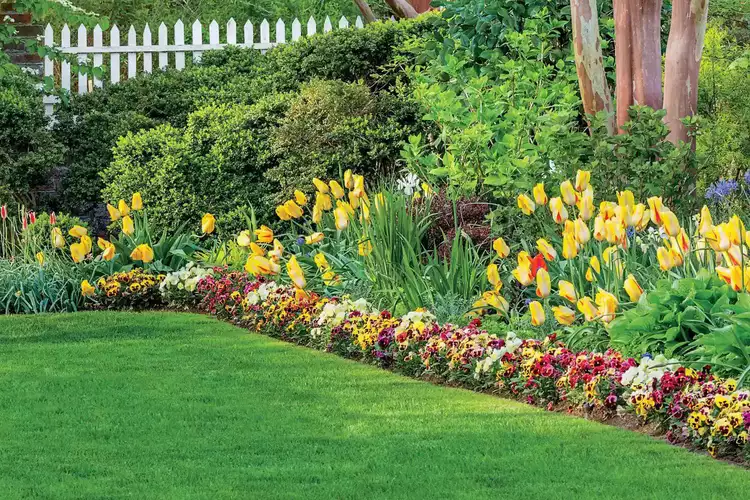
A garden bed can look expensive on Monday and messy by the weekend if the border cannot hold its line. That is why landscape edging materials matter more than most homeowners think, especially in American yards where lawns, mulch, irrigation, pets, kids, and weekend mowing all fight for the same few inches of space. A clean edge does not make a yard beautiful by itself, but it gives every plant, pathway, and patch of mulch a frame that makes the whole space feel intentional. For homeowners comparing outdoor upgrades, resources like home improvement planning insights can help connect small choices with bigger curb appeal goals. The right edging does more than separate grass from soil. It controls mulch creep, slows weeds at the border, protects planting beds from mower damage, and makes maintenance less annoying. The wrong one bends, heaves, cracks, rusts poorly, or starts looking tired before the plants even mature. Sharp garden beds are not about perfection. They are about choosing a material honest enough for your climate, your soil, and the way you live outside.
The Border Has to Match the Yard Before It Matches the Style
A good edge starts with pressure, not appearance. Grass pushes sideways, soil shifts after rain, mulch slides after storms, and freeze-thaw cycles lift weak borders out of place. Many homeowners pick edging the way they pick a paint color, then wonder why it fails after one season. Style matters, but the yard gets the first vote.
Why garden bed borders fail faster in everyday yards
Most garden bed borders fail because they are asked to do a structural job without enough depth, weight, or anchoring. A thin plastic strip may look fine after installation, but a mower wheel, clay soil, or aggressive turf can expose its weakness fast. In parts of the Midwest and Northeast, frozen ground can lift shallow edging inch by inch until the border waves instead of holding a clean line.
The sneaky problem is that failure often starts below the surface. A border can look straight from the patio while grass roots creep beneath it. Then one summer later, you are pulling runners out of mulch and blaming the plants. The edge was never deep enough to stop the invasion.
A practical rule helps here: soft materials need better anchoring, while heavy materials need better base prep. Flexible edging bends with pressure, so stakes and trench depth matter. Stone, brick, and concrete stay put through weight, but they punish lazy leveling. Different weakness, same lesson.
How soil, slope, and mowing habits change the best choice
Sandy soil drains fast and shifts easily, so lightweight edging can loosen unless it is pinned well. Heavy clay grips borders better, but it also expands and contracts with moisture. In Texas, Georgia, and parts of the Carolinas, clay can turn a neat border into a tilted one after repeated wet-dry cycles.
Slope adds another layer. A flat front-yard bed may only need separation, but a sloped side yard needs edging that can resist mulch washout. Stone edging or stacked block often works better there because it adds mass and creates a small retaining effect. Thin rolled edging rarely handles that pressure with dignity.
Mowing habits matter too. If you ride a mower close to the beds, choose a material that can take contact or create a mow strip. Brick set flush with the lawn lets wheels pass cleanly. Tall decorative edging may look charming until the trimmer scars it every Saturday.
Choosing Edging Materials for Shape, Soil, and Daily Wear
The best landscape edging materials solve the real problem first, then support the look you want. A cottage garden, a desert front yard, and a suburban lawn with weekly mowing do not need the same border. The right choice feels calm because it belongs to the yard instead of fighting it.
Metal garden edging gives crisp lines without stealing attention
Metal garden edging is the quiet favorite for modern yards because it creates a thin, sharp line that almost disappears. Steel and aluminum work well around curved beds, gravel paths, and minimalist plantings where the border should define the shape without becoming the main feature. In newer subdivisions around Denver, Austin, and Phoenix, this clean profile fits the architecture better than chunky block.
Steel has a stronger presence, especially when it develops a weathered finish. It suits prairie-style gardens, native grass beds, and homes with darker exterior materials. Aluminum resists rust and weighs less, which makes it easier to install around winding beds. That lighter feel can be a gift during a weekend project.
The counterintuitive part is that thin metal often looks more expensive than thicker decorative borders. It does not shout. It lets the planting design look disciplined, and that restraint reads as high-end even when the material cost stays reasonable.
Stone edging works best when the yard can handle weight and texture
Stone edging brings age and permanence to a yard, but it needs the right setting. Fieldstone feels natural around informal beds, shade gardens, and older homes with mature trees. Cut stone looks cleaner and works better for formal walkways, foundation beds, and front entries where symmetry matters.
Weight is both the advantage and the warning. Stone resists movement better than light edging, but it also needs a stable base. A row of rocks placed on bare soil may look charming for a few weeks, then sink, tilt, and trap weeds. A shallow trench with compacted base material makes the difference between rustic and sloppy.
Stone also changes how the eye reads a garden. Small plants can look lost behind chunky borders, while large shrubs can make thin edging feel weak. In a front bed with boxwoods, hydrangeas, or ornamental grasses, stone gives enough visual weight to balance the planting.
Budget Edging Can Still Look Sharp When It Is Installed Honestly
Cheap edging looks bad when it pretends to be something else. Budget-friendly materials can perform well, but only when you respect their limits. A clean plastic edge installed with care often looks better than expensive stone tossed into place without planning.
Lawn edging ideas that keep costs low without looking temporary
Smart lawn edging ideas often start with restraint. A simple spade-cut edge costs almost nothing and can look sharp in traditional lawns, especially when the bed line is refreshed a few times each growing season. It works best for homeowners who enjoy yard maintenance and do not mind a little upkeep.
Plastic no-dig edging can also work in low-pressure areas. Around a young flower bed or a backyard play area, it gives quick separation without excavation. The trick is to avoid tight curves, use enough stakes, and keep the top edge low. Once plastic rises too high, it starts looking like a product instead of a border.
Paver strips offer another middle ground. Basic concrete pavers set flush with the lawn can create a mowable edge that saves trimming time. In a small American front yard, that practical benefit can matter more than decorative flair. Less trimming means the border stays cleaner because maintenance becomes easier to repeat.
Brick borders can look classic or careless depending on the base
Brick has a familiar warmth that fits colonial homes, bungalows, cottages, and many suburban landscapes. It can be laid flat for a mow strip, stood upright for a raised edge, or angled for a sawtooth pattern. The material itself is forgiving, but the installation is not.
A brick border without a compacted base often becomes uneven. One brick sinks, another lifts, and soon the line looks tired. That problem gets worse in freeze-thaw regions, where water under the brick expands and breaks the rhythm. Sand or crushed stone beneath the brick gives it a fair chance.
Reclaimed brick adds character, but it needs editing. Mixed tones can look rich in an older garden, yet too much variation can feel chaotic beside a clean modern home. Choose brick the way you would choose flooring: the surface has to support the whole space, not beg for attention.
Long-Term Maintenance Matters More Than the First Weekend
A border is not finished when it is installed. It enters a long relationship with rain, roots, tools, and your patience. Some materials demand touch-ups. Others ask for better installation upfront and then stay quiet for years.
Metal, concrete, and composite choices age in different ways
Metal garden edging ages with the most dignity when it is chosen for the right climate. Aluminum stays cleaner in wet regions, while steel can bring a warm patina to dry or naturalistic landscapes. Poor-quality thin metal, though, can bend if it meets mower pressure or hard soil movement.
Concrete edging feels permanent, especially poured concrete curbing. It can frame large lawns, commercial-style landscapes, and wide suburban beds with authority. The drawback is commitment. Once the shape is poured, changing the bed line becomes a project, not an afternoon adjustment.
Composite edging sits between plastic and wood. It resists rot better than natural lumber and often works well for casual backyard beds. Still, it can fade or warp depending on product quality and sun exposure. The smartest use is in secondary spaces where function matters more than a formal front-yard finish.
Wood edging brings warmth but asks for honesty about rot
Wood creates a relaxed, natural look that works around vegetable beds, rustic paths, and informal flower borders. Cedar and redwood resist decay better than many common boards, while pressure-treated lumber can last longer in damp soil. Raised timber borders also help hold mulch in place on gentle slopes.
The tradeoff is simple: wood touches soil, and soil eventually wins. Even rot-resistant wood changes over time. It darkens, cracks, softens at corners, and may attract insects depending on moisture levels. That does not make it a poor choice. It means the homeowner should choose it for warmth, not forever.
A smart detail can extend its life. Keep wood slightly proud of soggy soil, improve drainage around the bed, and avoid burying untreated boards deep in wet ground. Wood rewards basic respect and punishes wishful thinking.
Design Details Decide Whether the Edge Looks Professional
Material choice gets most of the attention, but layout makes the border feel polished. A premium edge with a clumsy shape still looks wrong. A modest edge with a clean line, steady height, and good transitions can make a yard look cared for even before flowers bloom.
Curves need confidence, not random wiggles
Curved beds look natural only when the curves are broad and intentional. Small wiggles create trimming headaches and make the yard feel restless. A strong curve should look like it came from the shape of the lawn, the walkway, or the house, not from someone dragging a hose without a plan.
A garden hose can help sketch the line, but the final curve needs editing. Stand back from the street, the driveway, and the main window view. A line that looks smooth up close may look strange from where people actually see the yard. That distance check saves regret.
The unexpected truth is that fewer curves often feel more natural. One long sweep around a tree bed can look calmer than five little bends. Professional-looking edging usually comes from restraint, not decoration.
Height, color, and transitions carry the final polish
Raised edging works when it has a job, such as holding mulch, defining a path, or protecting plants from foot traffic. If it rises for no reason, it can make the bed feel boxed in. Flush edging often looks cleaner in front yards because it lets the lawn and planting bed meet without visual noise.
Color should connect to something already present. Charcoal metal can echo roof shingles or window trim. Warm brick can connect with a chimney or walkway. Pale stone can pick up tones from gravel, siding, or porch columns. The border should feel like part of the property, not an accessory bought in isolation.
Transitions matter at driveways, sidewalks, fences, and patios. A border that ends awkwardly draws the eye to the mistake. Tuck ends into a hard surface, return them into the bed, or finish them with a larger stone or planted corner. Clean endings make the whole edge feel planned.
Conclusion
A sharp garden bed is not a luxury detail. It is the frame that keeps the rest of the yard from looking accidental. The smartest move is to stop asking which edging looks best in a store aisle and start asking what your yard will put that border through. Sun, soil, water, mowing, roots, and foot traffic all have opinions.
Choose landscape edging materials with that pressure in mind, and the design decision becomes clearer. Metal suits clean lines. Stone brings weight. Brick adds tradition. Wood warms casual spaces. Plastic and composite can work when the job is honest and the installation is careful. None of them saves a bad layout, and none of them survives neglect forever.
Walk your yard before you buy anything. Watch where mulch moves, where grass creeps, where water runs, and where the mower gets too close. Then choose the border that solves the real problem. A garden looks sharp when the edge earns its place.
Frequently Asked Questions
What is the best edging material for garden beds in a front yard?
Metal, brick, and cut stone usually work best in front yards because they hold a clean line and improve curb appeal. Metal feels modern, brick feels classic, and stone feels permanent. The best choice depends on your home’s exterior, soil movement, and mowing routine.
How deep should garden edging go to stop grass roots?
Most edging should sit at least 4 to 6 inches deep to slow grass roots. Aggressive turf may need deeper barriers. The top should remain visible enough to define the bed but low enough to avoid looking bulky or creating mowing problems.
Are metal garden borders better than plastic edging?
Metal borders usually last longer, hold sharper lines, and look cleaner than plastic edging. Plastic costs less and can work for low-pressure beds, but it often bends, lifts, or fades sooner. For visible front-yard beds, metal is usually the stronger long-term choice.
What garden bed borders are easiest to maintain?
Flush brick, metal strips, and poured concrete curbing are among the easiest borders to maintain. They reduce trimming problems and resist shifting when installed well. Loose stone and wood can look beautiful, but they usually need more adjustment over time.
Can stone edging help keep mulch from washing away?
Stone edging can help hold mulch in place, especially on mild slopes or beds near downspouts. Larger stones work better than small loose rocks because they add weight. For steep slopes, pair stone with better drainage and heavier mulch to reduce washout.
What are the cheapest lawn edging ideas that still look good?
A spade-cut edge, basic pavers, and well-staked plastic edging can all look good on a tight budget. The secret is clean installation. A simple edge with a smooth line often looks better than a decorative border that shifts or sits unevenly.
How do I choose edging color for my landscape design?
Choose a color that connects with your home, walkway, roof, patio, or stonework. Dark edging often disappears into planting beds, while warm brick or stone becomes part of the design. Avoid colors that compete with flowers or make the border look separate from the yard.
Is wood edging a good choice for raised garden beds?
Wood works well for raised garden beds because it adds warmth and is easy to build with. Cedar, redwood, and treated lumber last longer than untreated boards. Good drainage matters because constant soil contact and trapped moisture shorten the life of any wood border.