A shaky attic ladder has a way of making every trip overhead feel like a bad idea. Many American homeowners ignore the wobble until the hinge snaps, the door sags, or someone climbs with a storage tote and realizes the whole setup no longer feels trustworthy. A careful attic stair replacement is not a cosmetic weekend upgrade; it is a safety decision that changes how confidently you use the space above your ceiling. For homeowners trying to make better repair choices, trusted home improvement resources like PR Network can help connect everyday maintenance with smarter long-term planning. The goal is not to turn your attic into a showroom. The goal is to make the climb stable, the opening secure, and the access safe enough for real life. Holiday bins, luggage, air filters, and seasonal gear all end up overhead in homes across the USA. The ladder that gets you there should not feel like a gamble.
Why Old Pull Down Attic Stairs Become a Safety Problem
Most attic ladders fail slowly before they fail loudly. That slow decline is exactly why homeowners miss the warning signs. A loose bolt here, a bowed step there, a door that no longer closes flush—each problem seems small until the ladder starts moving under your weight. The danger is not only falling. It is trusting equipment that has stopped earning that trust.
How Small Wear Turns Into Big Risk
Older pull down attic stairs take a beating in ways people rarely notice. They carry shifting weight, deal with attic heat, absorb household humidity, and often sit untouched for months before being yanked open hard. Wood can dry out and split. Metal arms can bend. Springs can lose tension. None of that looks dramatic at first.
A common example is the ladder in a 1980s ranch home where the garage attic holds Christmas bins, paint cans, and camping gear. The stairs may still open, but the side rails flex when a person climbs. That movement tells you the ladder is no longer carrying weight evenly. The problem is not age alone. It is age plus use, storage load, and ignored looseness.
The counterintuitive part is that a ladder used only a few times per year can still become unsafe. Low use does not mean low wear. Attic heat in places like Texas, Arizona, and Florida can punish wood and hardware even while the ladder sits closed.
Why “Still Working” Is Not the Same as Safe
A ladder can open and close while still being a poor choice for your home. That is the trap. Homeowners often judge attic access by whether it moves, not by whether it locks firmly, sits square, and supports weight without shifting.
Attic access safety starts with small observations. The door should not drop suddenly. The steps should not crack, twist, or feel soft. The frame should not pull away from the ceiling. The ladder feet should meet the floor evenly, not float or dig into the surface at an angle.
One practical test is simple: stand back and watch the ladder open from the side. If the motion feels jerky, uneven, or too fast, the spring system may be losing control. That is not a feature you learn to live with. It is a warning that the whole unit deserves attention before someone climbs it half-awake on a Saturday morning.
Planning an Attic Stair Replacement Before You Buy
A safe replacement starts before the box comes home from the store. Many bad installations happen because the homeowner buys the closest-looking unit and assumes all attic openings are about the same. They are not. Ceiling height, rough opening size, swing clearance, landing space, and weight rating all matter more than brand preference.
Measuring the Opening Without Guesswork
The first measurement is the rough opening, not the size of the door panel you see from below. Measure the framed hole inside the attic, from wood to wood. Then measure ceiling height from the finished floor to the finished ceiling. Guessing here can lead to a ladder that is too short, too steep, or awkward to trim.
Attic ladder installation also depends on swing clearance. A ladder that fits the opening may still collide with a hallway wall, garage shelving, a light fixture, or a parked vehicle. This happens often in suburban garages where homeowners add storage racks over time and forget how much room the ladder needs to unfold.
A smart move is to mark the ladder’s swing path on the floor with painter’s tape before buying. It feels old-school, but it catches mistakes a phone calculator will miss. A ladder that looks perfect online can become annoying fast if it blocks a door every time you pull it down.
Choosing the Right Material and Load Rating
Wood, aluminum, and steel units each have a place. Wood feels steady underfoot and often works well in older homes with traditional framing. Aluminum resists moisture better and is easier to handle during installation. Steel can feel strong, but it may be heavier and less forgiving in tight spaces.
Folding attic stairs should match the way your household uses the attic. A homeowner storing light bins twice a year has different needs than someone accessing HVAC filters every month. Weight rating matters here because it includes the person plus whatever they carry. A 220-pound adult holding a 35-pound storage tote is already asking more from the ladder than many people realize.
The overlooked choice is tread depth. Narrow steps may save space, but they can feel unforgiving when you are backing down with both hands full. Safer access often comes from a ladder that feels boring and predictable, not one that looks compact in the aisle.
Installing the New Ladder So It Feels Solid
The best ladder can feel unsafe when the frame is sloppy. Installation is where the safety promise either becomes real or falls apart. A pull-down unit relies on square framing, firm fastening, even trimming, and clean movement. Any shortcut here shows up later as wobble, rubbing, or sudden stress on hardware.
Getting the Frame Square and Firm
The ceiling opening must support the ladder as a full system, not as a loose panel hanging from thin trim. That means the rough opening needs straight framing, solid headers, and secure side supports. Decorative casing does not carry the load. The frame does.
During attic ladder installation, shims should fill gaps without twisting the unit. Over-tightening fasteners can pull the frame out of square. Under-tightening lets the ladder move each time it opens. Both errors feel small during the job and irritating for years afterward.
A real-world example shows up in many older Cape Cod homes. The attic opening may have been cut decades ago between uneven joists, then patched with whatever lumber was available. Installing a new ladder into that opening without correcting the frame is like putting a new door into a crooked wall. It may close, but it will never feel right.
Trimming the Legs for the Actual Floor
The ladder legs should meet the floor with full contact. Too long, and the ladder bows upward. Too short, and it hangs from the hinges instead of resting properly. Both conditions put stress where it does not belong.
Folding attic stairs usually need careful leg trimming after the unit is mounted. The cut angle matters because the feet should sit flat when the ladder is fully opened. A rushed straight cut can leave only the edge touching the floor, which makes the ladder feel nervous under weight.
This is one of those jobs where patience beats confidence. Open the ladder fully. Mark both legs separately. Recheck the angle. Cut less than you think if you are uncertain. You can remove more material, but you cannot add it back once the saw wins the argument.
Making Attic Access Safer After Replacement
A new ladder solves only part of the problem. The area around it still needs attention. Lighting, flooring, storage habits, and insulation all affect how safe the attic access feels. Many homeowners replace the stairs and then keep the same cluttered landing, dim bulb, and awkward tote-stacking routine that caused the original stress.
Improving Light, Landing Space, and Hand Support
Attic access safety improves the moment you can see where your foot is going. A bright light near the opening reduces hesitation, especially when you step from the ladder into the attic. Motion-activated fixtures work well because people rarely want to climb back down to flip a switch.
The landing area inside the attic should be clear and stable. Loose insulation near the opening can hide joists and gaps. A small plywood platform gives your foot a predictable place to land before you move deeper into storage. This is not fancy. It is common sense with a sheet of plywood and a few screws.
Hand support matters too. Some ladder kits include a handrail, while others offer one as an add-on. Use it when possible. Carrying bulky storage bins already throws off balance. A rail gives your body one more point of control when your eyes are focused above you.
Changing Storage Habits That Make Ladders Dangerous
The safest ladder still becomes risky when the attic is packed badly. Heavy items should not live far from the opening if they must be carried down often. Paint cans, old tile boxes, and overloaded plastic bins belong somewhere else if the only access is a pull-down ladder.
Many USA homes treat the attic like a second garage, but the access system was never meant for that kind of traffic. Store lighter seasonal items overhead and keep heavier gear at ground level. Label bins clearly so you are not climbing up and down three times to find one wreath or suitcase.
The unexpected insight is that better storage can extend the life of the ladder. Less awkward carrying means less side pressure, fewer rushed steps, and fewer hard pulls on the door. Safe behavior protects the equipment as much as it protects the person using it.
Maintenance Habits That Keep the New Stair System Reliable
Once the new unit is in place, the work becomes simpler but not optional. A pull-down attic ladder needs occasional inspection because it lives in a rough environment. Heat, dust, vibration, and household movement all leave marks. Catching those marks early keeps a small adjustment from turning into another replacement.
What to Check Twice a Year
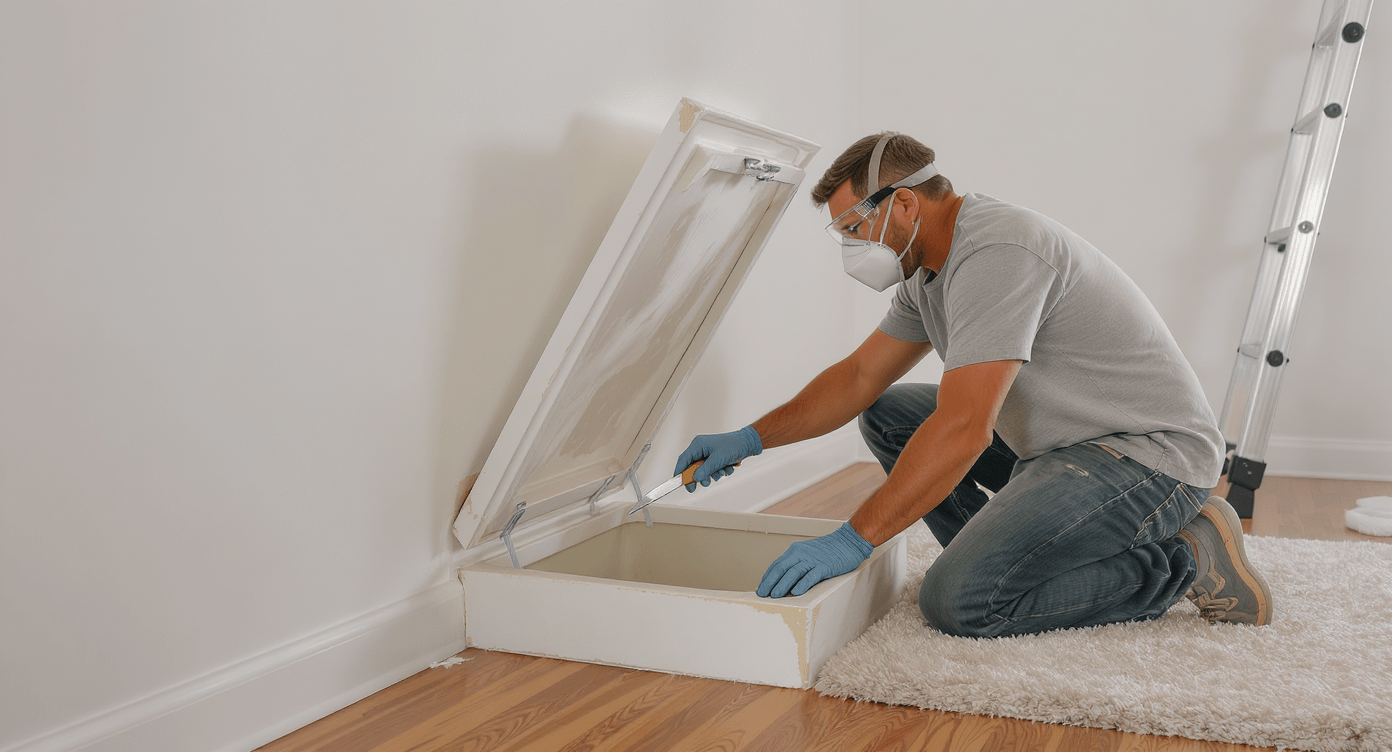
Inspect the hinges, springs, bolts, treads, side rails, and frame. Look for looseness, cracks, rust, bending, or rubbing. Open and close the ladder slowly, then listen. A new squeak or scrape often tells you where friction has started.
Pull down attic stairs should move with control. The door should not slam. The ladder should not drift sideways. The steps should feel firm under your foot. If anything changes after a season of heavy use, treat it as information instead of annoyance.
A good routine is to check the ladder when you change HVAC filters or smoke alarm batteries. Pairing the task with another home habit makes it easier to remember. For broader ladder safety thinking, the official OSHA ladder guidance is worth reviewing, even when the work is happening at home rather than on a job site.
When Repair Is No Longer Worth It
Some problems deserve repair. A loose screw, minor trim issue, or squeaky hinge may be simple to correct. Structural damage is different. Cracked steps, bent arms, failing springs, water-damaged framing, or a ladder that no longer rests evenly should push you toward replacement or professional help.
Folding attic stairs do not give unlimited warning before failure. Hardware can hold until it does not. That is why repeated patching becomes a false economy. Saving a little money loses its charm fast when someone falls through a ceiling opening with a box in their hands.
Call a qualified carpenter or contractor if the ceiling frame looks damaged, the opening needs resizing, or the ladder sits near electrical wiring. DIY pride is useful only when it knows where to stop. A safe attic entry should feel boring every time you use it. That is the win.
A home does not need dramatic upgrades to become safer. Sometimes the smartest improvement is the one nobody notices after it is done because it works cleanly every time. A well-planned attic stair replacement gives you that kind of quiet confidence. It turns a shaky overhead access point into a steady part of the house, not a small hazard you keep postponing. Choose the right size, respect the framing, trim the legs with care, and keep the landing clear. Then inspect the system before small problems grow teeth. Your attic may only hold bins, luggage, and old family keepsakes, but the climb still deserves real respect. Before the next season of storage runs begins, take one honest look at the ladder above your hallway or garage and decide whether it has earned another year.
Frequently Asked Questions
How do I know when pull down attic stairs need replacing?
Replace them when steps crack, hinges bend, springs lose control, the door drops too fast, or the frame pulls away from the ceiling. A ladder that shifts under weight is no longer a minor annoyance. It is a fall risk that deserves fast attention.
What size attic ladder do I need for my ceiling opening?
Measure the rough opening from frame to frame, then measure the floor-to-ceiling height. Do not rely on the visible door panel alone. Match those measurements to the ladder’s listed opening size, ceiling range, swing clearance, and landing space.
Can I install attic stairs myself without hiring a contractor?
A careful DIY homeowner can install a basic replacement when the existing frame is square, solid, and correctly sized. Hire help if the opening needs structural changes, wiring is nearby, ceiling joists are damaged, or the ladder feels too heavy to handle safely.
Are wood or aluminum attic ladders better for homes?
Wood often feels steady and traditional, while aluminum handles moisture better and weighs less during installation. The better choice depends on attic conditions, ceiling height, budget, and how often you use the space. Load rating matters more than material alone.
How much weight should folding attic stairs support?
Many residential units support between 250 and 375 pounds, but the exact rating depends on the model. Count both the person and anything being carried. Choose a higher rating when adults regularly carry storage bins, tools, luggage, or holiday decorations.
Why does my attic ladder not touch the floor evenly?
Uneven floor contact usually means the ladder legs were cut too short, too long, or at the wrong angle. It can also happen when the frame is out of square. The ladder should rest flat on the floor without bowing, bouncing, or hanging from the hinges.
How can I make attic access safer for older homeowners?
Improve lighting, add a stable attic landing platform, keep storage light, use hand support, and avoid carrying large bins while climbing. Older homeowners may also benefit from a wider tread ladder or professional installation that reduces wobble and awkward movement.
What should I avoid storing above pull-down attic stairs?
Avoid heavy boxes, paint cans, tile, old appliances, and anything awkward to carry down a ladder. Store lighter seasonal items overhead instead. Heavy storage increases fall risk and puts extra stress on the ladder, especially when someone climbs while off balance.