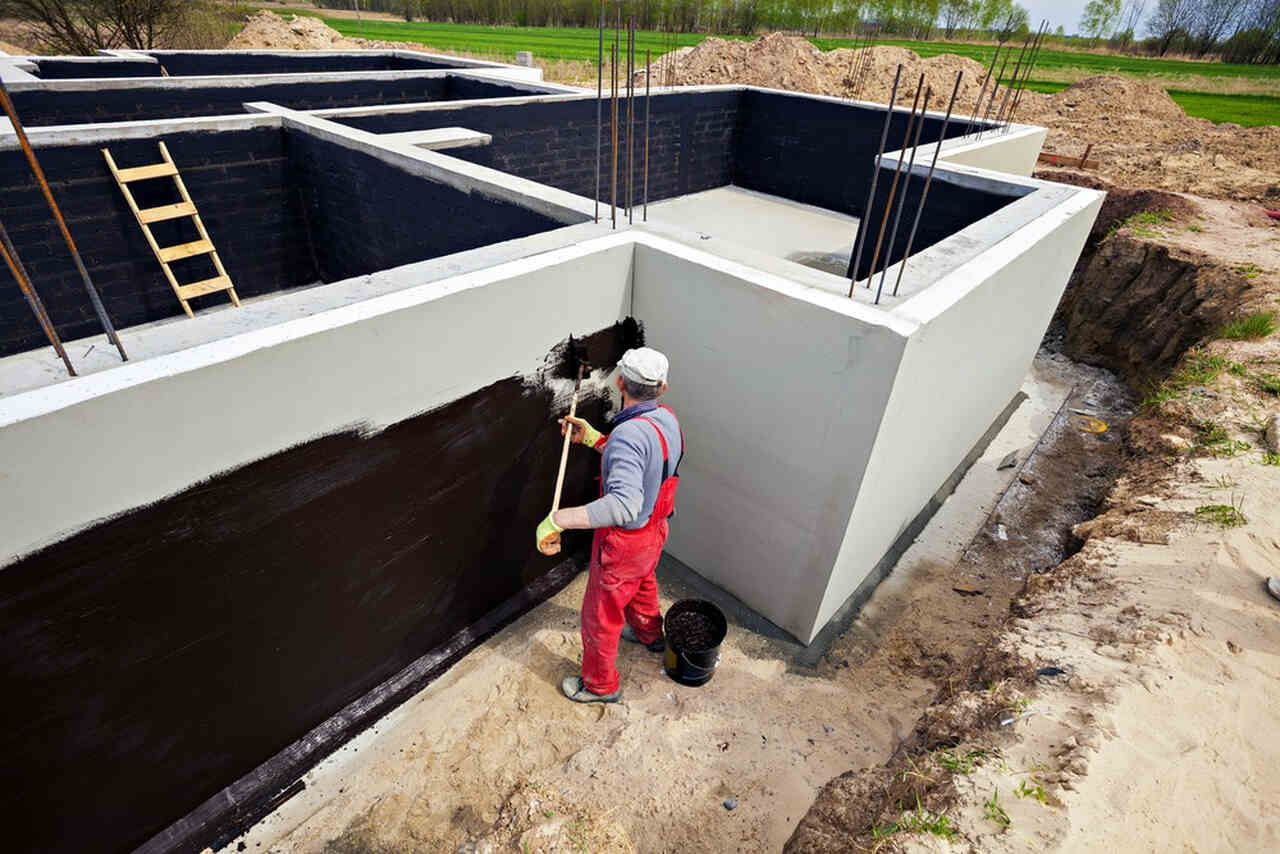
A wet basement rarely starts with one dramatic failure. It usually begins with a slow pattern of soil pressure, poor drainage, aging coatings, and small cracks that homeowners ignore until the musty smell arrives. Foundation waterproofing matters because water outside the wall keeps testing the same weak spots every time rain hits, snow melts, or gutters overflow. Across many U.S. neighborhoods, from older Midwest basements to newer homes built on clay soil in the South, the real battle happens underground where you cannot see it. A smart plan treats the exterior wall, footing area, soil slope, and drainage path as one system. That is where long-term value lives. Homeowners researching trusted home improvement resources often turn to property protection guidance before spending money on repairs that may only hide the symptom. Paint inside the basement can make a wall look cleaner, but it cannot stop outside pressure. The better question is simple: how do you keep water from reaching the wall in the first place?
Why Foundation Waterproofing Starts Outside the Wall
The outside of the foundation takes the first hit, so it deserves the first attention. Interior fixes can manage water after it enters, but exterior work changes the path before damage starts. That difference matters because basements are not designed to act like bathtubs under constant pressure.
How Soil Pressure Turns Small Moisture Problems Into Basement Damage
Wet soil gets heavy fast. After a hard rain, the ground beside a foundation can press against the wall with surprising force, especially when clay soil expands and holds water for days. In places like Ohio, Missouri, Georgia, and Texas, clay-heavy yards can swell, shrink, and shift through the seasons.
That movement does more than push moisture through tiny openings. It can widen hairline cracks, bend weak walls, and strain old mortar joints. A homeowner may see one damp corner and assume the issue is minor, while the soil outside is quietly creating a larger path for water.
The counterintuitive truth is that a dry-looking basement can still be under stress. Water does not need to pour through a wall to cause trouble. Vapor, hidden seepage, and pressure against buried concrete can set up mold-friendly conditions long before puddles appear.
Why Interior Sealers Cannot Replace Exterior Protection
Interior sealers have a place, but they should not be treated as the main defense. A coating on the inside of a wall faces pressure from the wrong side. Water still reaches the concrete, still fills cracks, and still pushes inward when the yard cannot drain.
Many American homeowners buy waterproof paint after seeing damp block walls in a basement laundry room. The wall may look better for a season, then flakes appear near the floor. That failure is not mysterious. The product was asked to hold back pressure it was never meant to handle alone.
Exterior protection works differently. It blocks water before it soaks the foundation wall and gives that water a safer route away. That is why the best long-term repairs often look boring from the surface: clean grading, open drains, sealed walls, and downspouts that actually carry water away.
Exterior Drainage Systems That Move Water Before It Builds Pressure
A waterproof coating can only do so much if water sits against the wall. Drainage is the part of the system that keeps pressure from building in the first place. Done well, exterior drainage systems turn a basement problem into a yard-management problem, and that is far easier to control.
How Footing Drains Protect the Lowest Part of the Basement
Footing drains sit near the base of the foundation, where water tends to collect. They usually include perforated pipe surrounded by clean stone and filter fabric. The goal is simple: catch water near the footing and move it toward daylight, a sump system, or another approved outlet.
This detail matters because basement leaks often show up where the wall meets the floor. That joint is low, vulnerable, and under pressure when soil around the footing stays saturated. A good drain reduces that pressure before water looks for a way inside.
Older homes may have clay drain tile that has cracked, collapsed, or filled with silt. In many Northeast and Midwest neighborhoods, those old systems were installed decades ago and may no longer move water at a useful pace. Replacing them is messy work, but it attacks the problem at the depth where it matters most.
Why Gutters, Downspouts, and Yard Slope Still Matter
The cheapest waterproofing work often happens above ground. Gutters that overflow beside the wall, short downspouts that dump water near the foundation, and flat soil grades can defeat expensive underground repairs. Water follows habit, and bad yard design teaches it to gather where it should not.
A downspout extension may look too simple to matter, yet it can move hundreds of gallons away from the foundation during a heavy storm. In a typical suburban home, one roof valley can send a punishing amount of runoff to a single corner. That corner then becomes the basement’s weak spot.
Basement moisture control often begins with walking the property during rain. Watch where water spills, pools, or runs back toward the house. That real-time view tells you more than any dry-day inspection because drainage problems reveal themselves when the system is under stress.
Waterproofing Membrane Installation That Creates a Real Barrier
Drainage removes water, but the wall still needs a shield. Waterproofing membrane installation gives the foundation surface a dedicated barrier against moisture. This step is where surface prep, product choice, and application discipline decide whether the repair lasts or becomes another short-term patch.
Why Wall Preparation Decides the Life of the Membrane
A membrane is only as strong as the surface beneath it. Dirt, loose concrete, old tar, sharp edges, and unfilled cracks can leave weak spots behind the new barrier. Contractors who rush this stage may make the job look finished while leaving defects buried under soil.
Proper preparation usually means exposing the wall, cleaning it, repairing cracks, smoothing rough areas, and allowing the surface to dry enough for the product being used. That takes patience. It also takes judgment because every foundation tells a different story once the excavation begins.
A 1970s poured-concrete basement in Pennsylvania may need crack repair before coating. A block foundation in Michigan may need parging to create a smoother surface. The method changes, but the principle does not: the barrier should meet a stable wall, not a dirty problem waiting to reopen.
How Membranes, Drainage Boards, and Protection Layers Work Together
A membrane blocks water, while a drainage board helps water move downward toward the footing drain. Protection board or dimple mat can also shield the membrane from rocks and backfill damage. These layers work as a team, not as decorative add-ons.
The unexpected insight is that thicker is not always better if the system is poorly built. A heavy coating without drainage may still face pressure all season. A thinner membrane paired with smart drainage and careful backfill may perform better because water never gets the chance to sit and push.
Waterproofing membrane installation should also account for seams, corners, pipe penetrations, and the wall-to-footing transition. Those are the spots where rushed work fails first. A flat wall surface is easy; the details around it are where long-term protection is either earned or lost.
Long-Term Basement Moisture Control After the Exterior Work Is Done
A repaired foundation still needs care. Once the soil goes back and the yard looks normal, the home enters a maintenance phase. Long-term basement moisture control depends on keeping water paths open, surface runoff controlled, and warning signs visible enough to catch early.
What Homeowners Should Check After Heavy Rain
A basement inspection after a storm should be calm and practical. Look along the wall-floor joint, around pipe entries, beneath windows, and near stairwell drains. A faint damp line may matter more than a dramatic puddle because it points to a repeat path.
Outside, check whether soil settled against the foundation after excavation. Backfilled soil often drops over time, creating low spots that collect water. That settling is common, and it does not mean the repair failed. It means the surface grade needs attention before water starts returning to old habits.
In snow states, spring melt deserves special attention. Frozen ground can block absorption, which sends meltwater along the surface toward the house. A basement that stays dry during summer storms may still struggle when snow, ice, and clogged drains meet in March.
How Maintenance Prevents Expensive Foundation Repair Prevention Mistakes
Foundation repair prevention is less dramatic than emergency repair, but it costs far less. Clean gutters twice a year, keep downspouts extended, avoid planting water-hungry landscaping tight against the wall, and make sure sump discharge lines do not recycle water back toward the foundation.
Tree roots deserve a careful mention. Large trees can change soil moisture patterns near a house, while shallow-rooted shrubs can trap damp mulch against siding and foundation edges. Landscaping should look good, but it should also let the house breathe and drain.
The quiet mistake is assuming a waterproofed basement no longer needs attention. No exterior system is immune to clogged drains, soil settlement, broken downspouts, or careless yard changes. A dry basement is not a permanent trophy. It is a condition you protect.
Conclusion
A basement stays dry when water is given fewer chances to act like an enemy. The strongest approach starts outside, where soil, runoff, drains, coatings, and maintenance all meet. Too many homeowners spend years repainting walls, running dehumidifiers, and blaming old concrete when the real issue sits against the exterior side of the foundation.
Good foundation waterproofing is not about one miracle product. It is about building a layered defense that keeps water moving away from the house before it gains pressure. That means fixing surface drainage, installing dependable footing drains when needed, sealing the wall with the right barrier, and keeping the system clear after the work is finished.
If your basement already smells damp, shows staining, or leaks after storms, do not wait for the next heavy rain to prove the point again. Walk the property, document the warning signs, and get a qualified foundation or waterproofing contractor to inspect the exterior conditions. Protect the wall before water teaches you the cost of delay.
Frequently Asked Questions
What are the best exterior basement waterproofing methods for older homes?
Older homes usually need a mix of excavation, crack repair, exterior membrane work, footing drain replacement, and improved surface drainage. The right method depends on wall type, soil conditions, and leak location. A full inspection should happen before anyone recommends a single fix.
How long does exterior foundation waterproofing usually last?
A well-installed exterior system can last for decades when drainage stays clear and surface grading remains correct. Lifespan depends on materials, soil movement, backfill quality, and maintenance. Poor gutter care or clogged drains can shorten performance even when the original work was solid.
Is exterior waterproofing better than interior waterproofing for basements?
Exterior waterproofing stops water before it enters the wall, which makes it the stronger long-term defense. Interior systems can manage water after entry, but they do not remove outside pressure. Many homes benefit from both, but exterior work solves the deeper cause.
How much does exterior basement waterproofing cost in the United States?
Costs vary widely based on excavation depth, foundation size, soil access, drain replacement, crack repair, and local labor rates. Small sections may cost far less than full-perimeter work. Homeowners should compare detailed written estimates, not quick verbal numbers.
Can poor yard grading cause basement water problems?
Poor grading can send rainwater straight toward the foundation and keep soil wet near the wall. Even a strong waterproofing system can struggle if the yard slopes the wrong way. Soil should guide water away from the house, not back toward it.
Do gutters and downspouts affect basement moisture control?
Gutters and downspouts have a major impact because roof runoff can overload the soil beside the foundation. Downspouts should discharge several feet away from the home when possible. Clean gutters also prevent water from spilling beside basement walls during storms.
What signs show an exterior drainage system is failing?
Warning signs include water at the wall-floor joint, recurring damp corners, musty smells, white mineral stains, sump pump overuse, and soil settling near the foundation. Outside, pooling water after rain can point to blocked drains or poor surface flow.
Should homeowners repair foundation cracks before waterproofing?
Cracks should be repaired before new exterior barriers are applied. A membrane over an open crack may hide the weakness without closing the water path. Proper repair creates a stronger surface and gives the waterproofing layer a better chance to perform long term.