A porch that sits unused for half the year is not an outdoor feature; it is wasted square footage wearing nice railings. For many U.S. homeowners, screen enclosure installation becomes the difference between a pretty porch and a daily living area that handles mosquitoes, summer glare, light rain, and nosy neighbors without turning the space into a sealed room. The appeal is practical, not fancy: you get airflow, shade, comfort, and a cleaner buffer between the house and the yard. A good project plan also needs the kind of home improvement project visibility that helps homeowners compare options before money leaves the bank. The smartest choice is not always the biggest enclosure or the priciest mesh. It is the design that matches your climate, your porch structure, and how your family actually uses the space after dinner, on weekends, and during those sticky July evenings when the bugs arrive before the burgers hit the grill.
Porch Screen Enclosure Costs Start With the Structure You Already Have
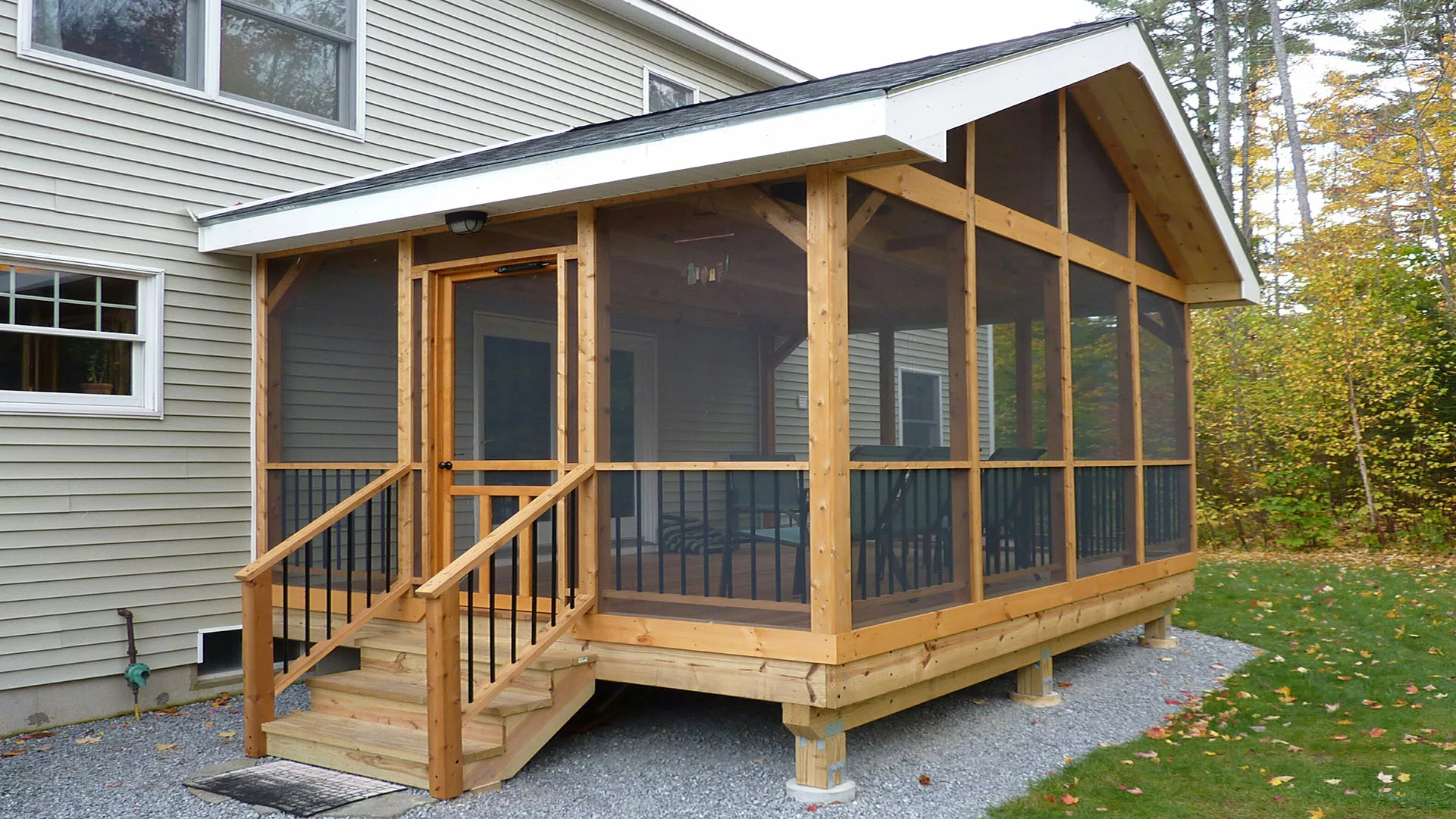
The first cost question is not about screens. It is about what already exists under your feet and over your head. A covered porch with sound posts, level flooring, and a decent roof can become a screened-in porch for far less than a bare slab that needs framing, roofing, drainage, electrical work, and permits.
What does a screened porch cost for an existing porch?
A screened porch cost drops sharply when the roof, floor, and basic frame are already in place. Recent national cost guides place screen additions to an existing covered patio or deck around $2,000 to $5,000, or roughly $10 to $25 per square foot, while HomeAdvisor lists existing porch screening around $5 to $20 per square foot. Those numbers fit the real pattern: structure costs more than mesh.
The catch sits in the word “existing.” A porch that looks ready may still need post repairs, stair fixes, railing changes, or roof edge work before screens go in. In Florida, a contractor may also need stronger attachment details for wind. In Minnesota, snow load and freeze-thaw movement matter more. Same porch idea. Different bill.
A 12-by-16 covered back porch in Georgia might screen in cleanly with aluminum framing, fiberglass mesh, one door, and a ceiling fan box. That same footprint in coastal South Carolina may need upgraded fasteners, tighter code review, and corrosion-resistant hardware. The second job is not a contractor padding the quote. It is the climate talking.
Why new builds cost more than simple screening
Building from scratch changes the math because you are no longer buying a screen package. You are buying a small outdoor room. National estimates for new screened patio or porch builds often run from $50 to $175 per square foot, while broader screened porch cost ranges commonly land between $25 and $120 per square foot depending on materials and design.
That spread feels wide because “screened porch” can mean two different projects. One homeowner means a simple framed enclosure over a concrete pad. Another means composite decking, roof tie-ins, gutters, lighting, outlets, fans, painted trim, and a door that does not slap shut every time the wind shifts.
The counterintuitive part is that the screen itself may be one of the cheaper decisions. Roof integration, drainage, electrical access, and structural framing decide whether the job feels affordable or painful. Spend time there first. Mesh choice comes later.
Porch Enclosure Benefits Go Beyond Bug Control
Most people start with mosquitoes, flies, and gnats. Fair enough. Bugs can ruin a porch faster than bad furniture. Yet the better porch enclosure benefits show up after the first season, when the space becomes part of the home’s daily rhythm instead of a spot used only when the weather behaves.
How a screened-in porch changes daily comfort
A screened-in porch gives you a middle zone between air-conditioned rooms and full outdoor exposure. You can drink coffee without wiping pollen off every chair cushion. Kids can read outside without fighting insects. Older relatives can sit near fresh air without stepping onto uneven grass or baking in direct sun.
This benefit matters in ordinary American routines. A family in suburban Ohio may use the porch as a homework zone in spring, a dinner overflow space in summer, and a quiet football-watching corner in fall. No single use sounds dramatic. Together, those uses turn a porch from decoration into square footage with a job.
Screens also soften glare and reduce some airborne debris. The U.S. Department of Energy notes that solar screens can reduce solar heat gain, glare, and UV damage while still allowing views and light transmission. That does not make a screened porch an energy system, but it explains why the space can feel calmer during bright afternoons.
Why privacy can matter more than shade
Privacy sounds secondary until you sit ten feet from a neighbor’s grill station. A porch enclosure can make a small backyard feel less exposed without building a hard wall. The best designs do this quietly through darker mesh, thoughtful furniture placement, partial knee walls, or landscaping outside the screen line.
This is where many homeowners overspend in the wrong place. They chase premium screens while ignoring sightlines. A cheaper mesh with better layout can feel more private than expensive material placed directly across from a neighbor’s kitchen window.
Porch enclosure benefits also change by street pattern. In older U.S. neighborhoods with close lots, a screened front porch can support casual conversation without making every moment public. In newer subdivisions, a back porch screen can create a softer edge between the house and a yard that lacks mature trees.
Material Choices Decide Maintenance More Than Style
The showroom conversation often drifts toward color, trim, and “look.” Those choices matter, but maintenance is where the decision lives for years. A porch enclosure is exposed to rain, wind, pollen, pets, kids, sun, and seasonal expansion. Pretty material that cannot take that life becomes expensive twice.
Which screen mesh makes sense for your climate?
Fiberglass mesh costs less and works for many inland homes. It bends without creasing as easily, installs cleanly, and keeps insects out when the frame is sound. Aluminum mesh holds shape better and resists sagging, but it can dent and may corrode in salty air without the right finish.
Pet-resistant screen helps when dogs jump at squirrels or cats treat the lower panel like a climbing test. Solar screen reduces glare and heat, but it darkens the view. That tradeoff is not a flaw. It is the price of comfort.
A homeowner in Arizona may accept a darker view because afternoon sun makes the porch unusable otherwise. Someone in Maine may hate that same screen because their porch already needs every bit of light it can get. The right mesh is not universal. It is regional.
How frames, doors, and flooring affect long-term value
Frames carry the daily abuse. Aluminum systems resist rot and suit many U.S. climates, especially where maintenance time is limited. Wood looks warmer and matches older homes well, but it needs paint, sealing, and attention at joints. Vinyl can work in lower-maintenance designs, though cheap profiles may flex more than homeowners expect.
Doors deserve more respect than they get. A weak screen door turns a finished enclosure into a daily irritation. It rattles, drags, slams, or lets bugs in at the sweep. Spend a little more here before adding decorative trim nobody touches.
Flooring also decides comfort. Concrete cleans easily but can feel cold or plain. Composite decking costs more but handles moisture and traffic well. Wood brings character, yet it asks for upkeep. A beautiful screened-in porch with a tired floor still feels unfinished, no matter how clean the screens look.
Screened Porch Cost Compared With Long-Term Payoff
Cost only tells half the story. The better question is whether the enclosure will earn its keep through use, comfort, reduced furniture wear, and possible resale appeal. A low price on a space nobody uses is not a bargain. A higher price on a porch used five days a week can be the smarter buy.
When does outdoor living space add resale appeal?
Outdoor living space has become more valuable as many buyers look for homes that feel larger without adding full interior square footage. NAHB’s recent buyer preference reporting has shown strong interest in patios and outdoor features, and 2025 Cost vs. Value data continues to show strong returns for exterior projects such as wood and composite deck additions.
A screened porch does not guarantee a dollar-for-dollar return. Local market taste still rules. In mosquito-heavy areas of the Southeast, buyers may see it as near-essential. In a dry mountain market, the same feature may feel pleasant but less urgent.
The best resale outcome comes when the enclosure looks original to the home. A porch that matches rooflines, trim, railings, and proportions signals care. A boxy add-on with odd panels tells buyers they may inherit repairs. That first impression can shape the offer before anyone asks about square footage.
How to compare DIY, contractor, and kit options
DIY can save labor money, especially for a small porch with square openings and sound framing. Kits can also work when the structure is simple. The risk appears when the porch is out of square, the floor slopes, the roof edge leaks, or local codes require details that a weekend plan ignores.
Contractors cost more because they handle the messy parts: measuring imperfect openings, anchoring frames, flashing vulnerable edges, setting doors, and dealing with permits. That work does not look dramatic in photos, but it decides whether the enclosure survives storms and daily use.
A smart comparison has three lines: initial price, expected maintenance, and risk. DIY may win on price. A contractor may win on fit and durability. A kit may land in the middle. The wrong choice is the one made only because it looks cheaper on day one.
Conclusion
A porch enclosure should never be treated like a decorative upgrade you add after the “real” home projects are done. For many American households, it solves a plain problem: the outdoor area exists, but weather, insects, glare, and exposure keep people from using it. That is wasted value sitting in full view. The best screen enclosure installation plan starts with structure, then climate, then daily use, then materials. Price matters, but the lowest quote can become costly when doors sag, mesh tears, or the porch feels wrong for the way your family lives. Choose the enclosure that makes the space easier to use on ordinary days, not only on perfect ones. Measure the porch, check the frame, compare at least two local quotes, and ask each contractor what they would change if it were their own home. That answer will tell you more than the brochure ever could.
Frequently Asked Questions
How much does a porch screen enclosure cost in the U.S.?
Most existing covered porches cost a few thousand dollars to screen, while new builds can cost far more because they need framing, roofing, flooring, and electrical planning. Your final price depends on size, condition, materials, labor rates, and local code needs.
Is a screened-in porch worth it for mosquito control?
Yes, it can be worth it in areas with heavy mosquitoes, flies, gnats, or no-see-ums. The key is tight installation around doors, corners, floor edges, and roof lines. Small gaps can ruin the benefit even when the mesh itself is good.
What is the cheapest way to enclose an existing porch?
The lowest-cost path is usually screening an existing covered porch with basic fiberglass mesh and simple aluminum framing. Costs rise when you add pet screen, solar screen, custom doors, electrical work, trim upgrades, or repairs to old posts and railings.
Does a porch enclosure add value to a home?
It can add value when it looks built-in, suits the local climate, and expands usable outdoor living space. Buyers in warm, buggy, or humid regions often appreciate screened areas more than buyers in dry climates where insects are less of a daily issue.
What type of screen is best for a porch enclosure?
Fiberglass works well for many homes because it is affordable and flexible. Aluminum suits homeowners who want a firmer screen. Pet-resistant mesh helps with animals, while solar screen works better where glare and heat matter more than a bright open view.
Do I need a permit to screen in my porch?
Many simple screen additions may not need a major permit, but rules change by city, county, HOA, and project scope. Structural changes, electrical work, roof changes, and new foundations are more likely to trigger permits or inspections.
Can I install a screened porch enclosure myself?
You can install one yourself when the porch is simple, square, and already structurally sound. DIY becomes risky when openings are uneven, drainage is poor, the roof edge needs flashing, or local wind and building codes require stronger attachment details.
How long does a porch screen enclosure last?
A well-built enclosure can last many years with basic care. Mesh may need replacement sooner than frames, especially with pets, storms, falling branches, or harsh sun. Good doors, strong fasteners, and clean drainage usually extend the life of the whole system.