
In today’s modern interior design landscape, Acrylic Solid Surface Countertops have become a leading choice for homeowners, designers, and commercial builders who value durability, seamless aesthetics, and hygienic performance. These surfaces are engineered to deliver both beauty and functionality, making them ideal for kitchens, bathrooms, hospitality spaces, and healthcare environments. As material innovation continues to evolve in 2026, manufacturers like Hyundai L&C are setting new standards for performance-driven surface solutions through advanced acrylic solid surface technology. You can explore more about their offerings at Hyundai L&C.
This guide explores how acrylic solid surface materials are transforming interior design, what makes them unique, and how to choose the right option for long-term value.
Understanding Acrylic Solid Surface Countertops
Acrylic solid surface materials are engineered blends of acrylic resins, minerals, and pigments. Unlike natural stone, these countertops are non-porous, uniform, and fully customizable in shape and design.
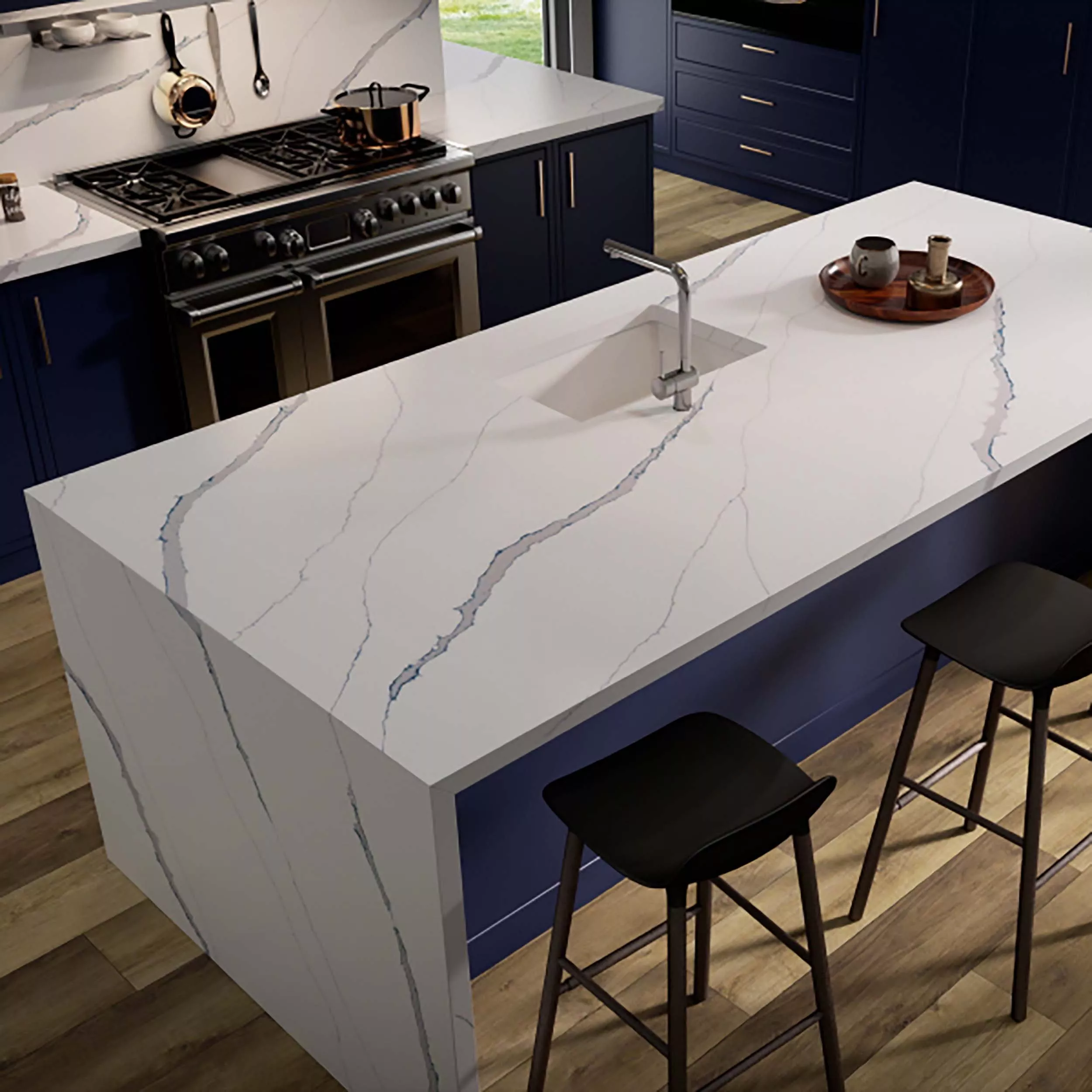
One of the defining characteristics of Acrylic Solid Surface Countertops is their seamless installation capability. Joints can be virtually invisible, creating a smooth, continuous appearance that is difficult to achieve with granite or quartz.
Key material properties include:
- Non-porous structure for improved hygiene
- Seamless fabrication with minimal visible joints
- Thermoformability for curved and custom shapes
- Consistent color and pattern throughout the slab
- Repairable surface scratches and minor damage
These features make solid surface materials especially appealing in environments where cleanliness and design flexibility are equally important.
Why Acrylic Solid Surface Countertops Are Gaining Popularity
The growing demand for Acrylic Solid Surface Countertops is driven by shifting design preferences and practical performance needs. Homeowners and commercial designers are increasingly prioritizing materials that balance aesthetics with everyday usability.
1. Hygienic and Easy to Maintain
Because the surface is non-porous, it resists bacteria, mold, and moisture absorption. This makes it a strong choice for kitchens, hospitals, and food preparation areas where sanitation is critical.
2. Seamless Visual Appeal
Unlike stone materials that show visible seams, solid surface countertops can be joined seamlessly. This creates a clean, modern look that aligns with minimalist and contemporary design trends.
3. Design Flexibility
Acrylic solid surfaces can be molded into integrated sinks, curved edges, and custom shapes. This level of flexibility allows designers to create truly unique interior layouts.
4. Repairable and Long-Lasting
Minor scratches or wear can often be sanded out, extending the lifespan of the surface and maintaining its appearance over time.
Acrylic Solid Surface Countertops vs Other Materials
When choosing countertop materials, comparison is essential. Acrylic solid surface competes with quartz, granite, laminate, and porcelain, but it offers a distinct set of advantages.
Solid Surface vs Quartz
Quartz is highly durable and scratch-resistant, but it is less flexible in design. Acrylic solid surface allows seamless curves and integrated designs that quartz cannot achieve easily.
Solid Surface vs Granite
Granite offers natural beauty but requires sealing and maintenance. Acrylic solid surface is maintenance-free in comparison and offers more consistent coloration.
Solid Surface vs Laminate
Laminate is cost-effective but less durable and less heat-resistant. Solid surface provides a more premium feel with significantly better longevity.
Applications of Acrylic Solid Surface Countertops
One of the strongest advantages of Acrylic Solid Surface Countertops is their versatility across multiple environments.
Residential Applications
- Kitchen countertops and islands
- Bathroom vanities and sinks
- Laundry room surfaces
- Built-in furniture surfaces
Commercial Applications
- Hotel reception counters
- Restaurant service areas
- Healthcare facilities and laboratories
- Retail display counters
Their adaptability makes them a preferred material in both high-traffic and design-focused environments.
Design Trends Driving Solid Surface Demand in 2026
Interior design trends continue to influence material selection, and acrylic solid surfaces are aligning well with modern expectations.
1. Minimalist Seamless Interiors
Clean lines and uninterrupted surfaces are in high demand. Solid surface materials support this trend through invisible joins and integrated features.
2. Monochrome and Neutral Palettes
Soft whites, grays, and warm neutrals dominate contemporary spaces. Acrylic surfaces offer consistent coloring that supports these palettes.
3. Integrated Functional Design
Designers are increasingly embedding sinks, lighting channels, and storage features directly into surfaces.
4. Sustainable Material Choices
While not fully natural, solid surface materials are valued for their long lifespan and repairability, reducing replacement frequency and material waste.
Installation and Fabrication Insights
Proper fabrication is essential to maximizing the benefits of Acrylic Solid Surface Countertops. Unlike natural stone, these materials require skilled thermoforming and adhesive bonding techniques.
Installation process overview:
- Precision measurement and templating
- Cutting and shaping of slabs
- Thermoforming (if curved designs are required)
- Seam bonding and curing
- Surface finishing and polishing
Experienced fabricators ensure joints remain invisible and surfaces maintain structural integrity over time.
Maintenance Best Practices
One of the key selling points of acrylic solid surfaces is their low maintenance requirements.
Daily care:
- Clean with mild soap and water
- Wipe spills promptly to maintain appearance
Periodic maintenance:
- Light sanding for surface scratches
- Non-abrasive cleaning products only
- Avoid harsh chemicals and high heat exposure
These simple practices help preserve both aesthetics and functionality for years.
Common Misconceptions About Acrylic Solid Surface Countertops
Despite their popularity, several misconceptions still exist:
“They are not durable enough”
While softer than quartz or granite, solid surfaces are highly repairable, making them practical in long-term use.
“They look artificial”
Modern manufacturing techniques allow for realistic stone-like finishes and matte textures that closely mimic natural materials.
“They are only for commercial use”
In reality, they are widely used in residential kitchens and bathrooms due to their design flexibility and hygiene benefits.
Choosing the Right Solid Surface Partner
Selecting a reliable manufacturer is essential for quality assurance. Companies like Hyundai L&C provide engineered surface solutions that meet international performance and design standards.
When evaluating suppliers, consider:
- Product consistency and warranty coverage
- Design variety and color range
- Fabrication support and technical documentation
- Long-term durability performance
Working with established manufacturers ensures better project outcomes and reduced maintenance issues.
Final Thoughts
Acrylic Solid Surface Countertops continue to play a major role in modern interior design due to their seamless aesthetics, hygienic properties, and versatile applications. As design expectations evolve, these materials offer a practical balance between style and functionality that suits both residential and commercial environments.
With innovation-driven companies like Hyundai L&C leading advancements in surface technology, designers and homeowners have more options than ever to create refined, durable, and highly functional spaces. For more information, visit Hyundai L&C.
Whether you are planning a kitchen renovation or a large-scale commercial project, acrylic solid surfaces remain a dependable choice for long-term value and design flexibility.