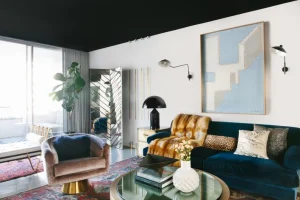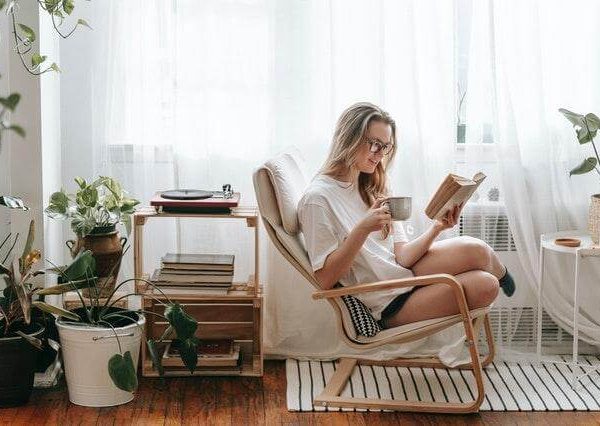
Bold rooms rarely come from expensive furniture. They come from restraint, nerve, and a sharp eye for what deserves attention. If your home feels busy, flat, or oddly unfinished, the problem usually is not money. It is a lack of editing. The good news is that elegance is not mysterious, and it is not reserved for grand houses with sweeping staircases.
The smartest way to begin is to stop treating style as decoration and start treating it as atmosphere. When you style interior spaces, you are shaping how a room lands on your nerves the second you walk in. A graceful room slows you down a little. It gives your eyes somewhere to rest. It also avoids the tired showroom look that makes a home feel borrowed instead of lived in.
You do not need more stuff. You need better choices, stronger contrasts, and a little discipline. That means paying attention to proportion, light, texture, and the quiet power of empty space. It also means knowing when to stop, which is where most people lose the plot. Elegance never shouts. It gets remembered anyway.
Start With Shape, Not Stuff
Most people begin with accessories because accessories feel safe. A vase here, a candle there, maybe a throw draped with theatrical care. That is exactly why so many rooms end up fussy. Elegant interiors begin with the bones of the room first: scale, movement, line, and balance. When those pieces work, almost everything you add afterward looks smarter and more intentional.
Let Furniture Lead the Visual Rhythm
A room feels polished when the main pieces speak the same visual language, even if they come from different eras. That does not mean matching sets. Matching sets often kill a room stone dead. It means your sofa, chairs, table, and storage should agree on weight, height, and mood, so nothing looks like it wandered in by mistake.
Strong placement matters as much as the furniture itself. A floating sofa can make a living room breathe, while shoving every piece against the wall usually creates that awkward waiting-room gap in the middle. I have seen small apartments look twice as refined just by pulling furniture inward and letting conversation, not the wall, determine the layout.
This is where many stylish homes quietly win. They understand rhythm. If one side of the room carries visual heft through a dark bookcase or broad sectional, the other side needs something that answers it without copying it. A slim floor lamp, an arched chair, or a low console can do the job. Balance, not symmetry, keeps the room alive.
Use Negative Space Like a Designer, Not a Collector
Nothing ruins elegance faster than the urge to fill every blank surface. Empty space is not unfinished space. It is breathing room. A clear section of wall, a half-open tabletop, or a quiet corner beside a chair gives your eye a pause, and that pause is what makes the rest of the room look deliberate.
You can see this in homes that feel expensive without trying too hard. They are rarely packed. The shelves hold fewer things. The coffee table does not carry a small village of objects. The sideboard has room around the lamp instead of a tight ring of decorative clutter. Space frames beauty better than abundance ever will.
This is the part people resist because emptiness can feel risky at first. Stay with it. When you leave a little silence in a room, the best pieces get louder. That single sculptural bowl, the framed sketch, the chair with the perfect curve—they start to matter. A room with less visual noise feels calmer, sharper, and frankly more grown up.
Build Elegance Through Light and Contrast
Once the structure of the room feels right, light takes over the mood. This is where elegance stops being a theory and becomes something you can actually feel. A well-shaped room can still fall flat under harsh overhead glare or dull color choices. Light and contrast turn a tidy space into one with pulse, softness, and a bit of drama.
Layer Light for Warmth, Depth, and Control
One ceiling fixture is never enough if you want a room to feel elegant after sunset. Overhead lighting does a job, but it rarely tells a flattering story. You need layers: ambient light for general glow, task light where life happens, and accent light to make certain corners feel chosen rather than accidental.
Think of a living room at 7 p.m. A table lamp beside a reading chair, a shaded floor lamp near the sofa, and a small wall light above art create a richer scene than a single bright fixture blasting the whole room equally. That mix gives you shadows, highlights, and mood. Flat light makes even good furniture look cheap.
The smartest move is putting lamps at different heights so the room feels composed from floor to eye level. This trick works in bedrooms too, especially when bedside lamps differ slightly in shape but share a similar tone. That kind of tension feels human. For more ideas on how thoughtful design choices affect visibility and reach, many editors study smart home styling strategies from broader lifestyle publishing circles.
Make Contrast Do the Heavy Lifting
Elegant rooms do not rely on sameness. They rely on contrast handled with a steady hand. A pale linen sofa beside a dark wood table. Matte walls with a glint of brass. A modern lamp on an old cabinet. Contrast creates depth, and depth keeps a room from feeling bland, even when the palette stays restrained.
This does not mean turning every room into a dramatic before-and-after scene. Too much contrast becomes noise. The sweet spot sits in tension you can feel without needing to explain it. A quiet beige room sharpens when one black frame appears on the wall. A soft bedroom gains backbone from a walnut bench at the foot of the bed.
People often think elegance lives in neutral colors alone. I do not buy that. Elegance lives in control. You can use deep green, rust, navy, aubergine, or chalky pink if the tones relate and the contrast feels intentional. The room should have light notes and low notes, just like music. All treble gets tiring fast.
Style Interior Spaces With Texture That Feels Personal
After shape and light come the details that make a room worth touching. Texture is where elegance becomes intimate. It turns a clean room into one with warmth and memory. When you style interior spaces well, you do not only think about how they look from the doorway. You think about what they feel like when you sit down, pull a curtain, or rest your hand on a tabletop.
Mix Materials So the Room Never Feels Flat
A room with only one kind of surface often looks clean for about five minutes and then oddly lifeless. Texture fixes that. Pair smooth with rough, crisp with soft, cool with warm. Stone, wood, linen, glass, wool, plaster, cane, and leather all speak differently. The point is not quantity. It is contrast with purpose.
One of my favorite examples is a simple dining corner: an oak table, woven seats, a ceramic pendant, and washed cotton curtains. None of those pieces need to be flashy. Together, they create layered interest that feels settled and easy. Swap them all for glossy materials and the room starts reading cold, no matter how expensive the finish looks.
Texture also helps small spaces punch above their weight. In a studio flat, you may not have room for dramatic architecture, but you can still create depth through a nubby rug, a slubbed cushion, a paper lamp, and a painted wall with a little chalkiness to it. Small shifts. Big effect.
Choose Objects With Memory, Not Just Beauty
The most elegant rooms carry a little biography. Not a scrapbook on every shelf, but enough history to make the place feel inhabited by a specific person instead of a trend report. A hand-thrown bowl from a trip, your grandfather’s lighter, a vintage mirror with tiny imperfections, a stack of books you actually reread—those things do quiet work.
This is why purely decorative shopping often falls flat. When every object arrives brand new and perfectly coordinated, the room can look polished yet oddly anonymous. A better mix includes something old, something personal, something handmade, and something with a bit of oddness. Taste needs friction. Otherwise it slips into bland prettiness.
You do not need a house full of heirlooms to get this right. Even one meaningful object can anchor a corner and change how everything around it feels. A cracked clay pot on a modern console tells a better story than three generic ornaments bought in a panic. Perfection is overrated. Character lasts longer.
Finish With Editing, Scent, and Daily Habits
A room can have strong furniture, great light, and beautiful texture, then still miss the mark because the final pass never happened. Elegance lives in finishing moves. The last ten percent matters more than people think. This is where you strip away excess, sharpen the mood, and make the room hold together on ordinary Tuesday mornings, not just in photographs.
Edit Harder Than Feels Comfortable
Editing is the least glamorous part of styling and the most powerful. You need to remove something from every room. Sometimes it is obvious, like the extra side table that blocks movement. Sometimes it is emotional, like the pile of decorative objects you keep rearranging because none of them belongs there. Be honest. A room tells you when it is crowded.
The best styled homes often contain fewer visible items than average homes, but each one lands better. That is not minimalism for the sake of moral purity. It is visual discipline. When the shelf holds six things instead of fifteen, you finally notice the shape of the brass candlestick or the line of the framed print behind it.
Try this ruthless test: if an object disappeared for a week, would the room lose anything real? If the answer is no, remove it. You can always bring it back. Most of the time, you will not. That tiny sting you feel when clearing a surface usually means you are making progress.
Make Elegance Work for Real Life
A stylish room that collapses the moment someone drops a bag on a chair is not elegant. It is fragile. Real elegance survives life. That means baskets where clutter naturally gathers, trays that corral loose objects, hooks where coats actually land, and a lamp switch you can reach without performing furniture yoga. Beauty must cooperate with habit.
Scent matters more than people admit. A room with clean air, a trace of cedar, or the faint warmth of tea and citrus feels finished in a way visuals alone cannot manage. You do not need heavy diffusers fighting for attention. Open a window, burn one good candle, clip herbs into water, and keep fabrics fresh. That is enough.
This is also where routine wins. Straighten cushions at night. Clear the coffee table in the morning. Put the book back, fold the throw, wipe the sideboard, open the curtains. Five small acts keep elegance alive. Homes do not stay graceful by accident. They stay graceful because someone cares every single day.
Conclusion
Elegant interiors are not built by chasing trends or filling baskets with pretty things you hope will magically agree with one another. They come from better judgment. You choose stronger shapes, calmer spacing, richer light, and textures that feel honest in the hand. Then you edit until the room stops trying so hard. That is the real shift.
When you style interior spaces, the goal is not to impress strangers for six seconds on a screen. The goal is to make your daily life feel steadier, softer, and a touch more beautiful without slipping into fussiness. A room should support you, flatter you a little, and never make you feel like you are tiptoeing around your own home.
My strongest advice is simple: pick one room and fix the bones before you buy a single new accessory. Rearrange the furniture. Remove five things. Add one lamp. Bring in texture where the room feels thin. Then stand back and look again. You will learn more from that one honest edit than from ten saved inspiration boards. Start there, trust your eye, and make your home feel unmistakably yours.
What are the best ways to style interior spaces on a budget?
Start with layout, light, and editing before buying anything new. Rearranging furniture, removing clutter, and swapping harsh bulbs for warmer ones can change a room fast. Then add one textured piece, one lamp, and one meaningful object. That order saves money.
How do I make a small room look elegant without overcrowding it?
Keep fewer, better pieces in the room and let them breathe. Use raised-leg furniture, layered lighting, and one strong accent instead of many small ones. Leave some surfaces clear. Small spaces feel elegant when your eye can move easily without hitting clutter.
Which colors make interior spaces feel more elegant and timeless?
Soft stone, warm white, olive, charcoal, taupe, walnut, and muted blue age well because they feel grounded. The trick is balance, not trend chasing. Pair light tones with darker anchors, then add texture so the palette feels rich instead of flat.
How many decorative items should I use in one room?
Use fewer than you think you need. A coffee table may need three items, while a console might need one lamp and one object with presence. When every surface carries decor, nothing stands out. Space gives decorative pieces their real strength.
Can modern furniture still create an elegant home feel?
Modern furniture can feel deeply elegant when the lines are clean and the proportions are right. Pair it with warmer textures like linen, wood, wool, or aged metal. That contrast keeps the room from feeling sterile and gives modern shapes a softer edge.
What lighting works best for elegant interior styling at home?
Layered lighting always wins. Combine ceiling light with a floor lamp, table lamp, or wall light so the room glows instead of glaring. Warm bulbs help too. Good lighting shapes mood, highlights texture, and makes even simple rooms look more considered.
How do I choose accessories that look refined instead of random?
Pick accessories with shape, material, and meaning in mind. Mix one handmade piece, one sculptural object, and something personal instead of buying matched decor sets. Repetition in tone helps, but variation in form keeps the room feeling collected, not copied.
Why do some beautifully decorated rooms still feel uncomfortable?
Because decoration alone cannot fix bad layout, harsh lighting, or daily friction. A room may look good in photos yet fail in real life. Comfort comes from movement, access, softness, and habit. Elegance only works when the room also behaves well.