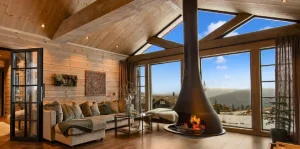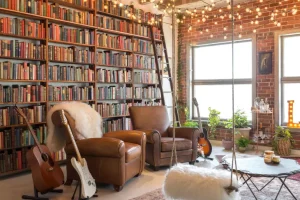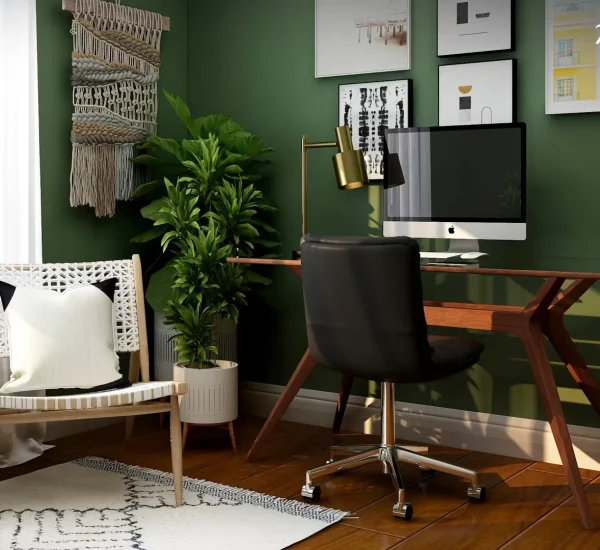
Most homes do not need a bigger budget. They need better judgment. You can buy a velvet chair, a stone lamp, and a fancy rug, then still end up with a room that feels like a showroom no one actually lives in. The trick is not spending more. It is learning how to style interior spaces so they feel calm, useful, and quietly rich at the same time.
I learned this the hard way after stuffing one small living room with every “pretty” thing I owned. The room looked busy, my eyes felt tired, and even the sofa seemed annoyed with me. Once I started editing instead of adding, everything changed. Elegance stopped feeling like a luxury look and started behaving like a discipline. You choose less, but you choose better. You let light matter. You let space speak. You stop decorating every inch like it owes you rent. A graceful room does not shout its value. It proves it in the way you move through it, rest in it, and want to stay there a little longer.
Start With Restraint Before You Add Personality
Elegant rooms rarely begin with decoration. They begin with subtraction. Before you chase color palettes and accent tables, you need to clear the visual noise that makes a room feel restless. That means pulling back the extra stools, the random baskets, the framed prints you do not even notice anymore, and the surfaces covered with things that serve no real purpose. A room breathes better when you stop filling every silence.
Edit the Room Until the Layout Makes Sense
Strong styling starts with flow. You should be able to walk through the room without dodging sharp corners or squeezing between furniture pieces that clearly hate each other. In one apartment I helped redo, the owner had pushed every large item against the walls, which left a strange empty patch in the center and dead space everywhere else. We floated the sofa, shifted two chairs inward, and suddenly the room felt grounded instead of nervous.
The best layout creates natural movement. Your coffee table should sit near enough to reach, not so close that your knees file a complaint. Side tables need a reason to exist. Chairs should face conversation, not just the television. A room that works well always looks better because your body reads order before your eyes do.
This is where many people miss the point. Elegance is not decoration first. It is placement first. When the bones of the room feel balanced, the details stop working overtime. That is a relief for you and for the room.
Let Empty Space Do Some of the Work
Blank space scares people because they think it looks unfinished. It does not. It looks confident. A wall without art can give a sculptural lamp more presence. A console with two objects often looks stronger than one carrying nine little trinkets collected from three different shopping moods.
You do not need to decorate every shelf, either. Leave one cubby open. Let the eye rest. In bedrooms especially, a little emptiness creates the kind of calm people keep trying to buy with scented candles and expensive bedding. Quiet space is cheaper and usually more effective.
This is also why elegant homes age better. Trends come and go, but proportion stays honest. When you leave room around furniture and objects, the whole space feels intentional. Crowding makes even expensive pieces look uncertain. Space gives them dignity.
Build Elegance Through Materials, Not Just Color
Once the room stops fighting itself, materials take over. This is where elegance gets real. You can paint a room a tasteful shade, but if every surface feels flat, shiny, or fake, the effect dies quickly. The rooms that stay with you usually mix texture in a way that feels relaxed: wood with grain, fabric with weight, metal with a soft finish, stone that does not beg for attention.
Choose Surfaces That Improve With Time
A good room should wear in, not wear out. Natural wood picks up character. Linen creases a little and still looks handsome. Brass loses its fresh-store brightness and settles into something more believable. Compare that with plastic finishes pretending to be oak or chrome that screams from across the room. One gets better. The other gets louder.
I saw this clearly in a dining nook where the original glossy table looked “modern” for about six weeks. It showed every fingerprint, bounced light in the worst way, and made the whole corner feel cold. Replacing it with a matte wood table changed the mood in a single afternoon. Same size. Same use. Better material. Huge difference.
That does not mean every item must be expensive. It means one honest material beats three fake ones. If your budget is tight, save money on quantity and put it into a few tactile pieces that carry the room. Texture gives depth long before decoration does.
Mix Soft and Hard Finishes With Intent
A room feels elegant when contrast shows up in the right places. Think of a stone side table next to a cushioned chair, or crisp cotton curtains against a rough plaster wall. Hard surfaces create structure. Soft ones keep the room human. When you only use one side of that equation, things fall flat.
This balance matters even more in shared spaces. Living rooms, for example, need a little polish and a little mercy. You want a lamp base with shape, but you also want upholstery that invites you to sit down without feeling like you need permission. That tension between refined and comfortable is where a room starts to feel grown up.
If you need inspiration for finding tasteful home and decor placement ideas, browsing a curated interior design media platform can sharpen your eye. The goal is not copying a room piece for piece. It is learning why certain combinations feel settled while others feel staged. Your home deserves the settled version.
Use Lighting to Shape Mood, Depth, and Trust
Bad lighting ruins beautiful rooms faster than clutter does. I mean that. You can have decent furniture, balanced color, and handsome textures, then one icy overhead bulb turns the whole place into a waiting area. Elegant styling depends on light because light decides what feels soft, what feels harsh, and whether your room welcomes you or interrogates you.
Layer Light Instead of Relying on the Ceiling
One ceiling fixture cannot carry a room alone. It was never meant to. You need layers that support different moods and tasks: a table lamp for evening softness, a floor lamp for corners that feel forgotten, maybe a shaded wall light if you want depth without bulk.
This matters because elegant rooms rarely expose everything at once. They reveal themselves in layers. A pool of light near a reading chair feels personal. A warm lamp on a console can make a hallway look thoughtful instead of empty. Even a dining area becomes more graceful when the light sits lower and frames the table instead of bleaching the whole room.
I always tell people to test a room at night before calling it finished. Daylight can flatter almost anything. Evening tells the truth. If the room feels flat after sunset, your lighting plan still needs work.
Treat Warmth and Shadow as Design Tools
A room without shadow feels clinical. A room with too much darkness feels gloomy. Elegant interiors sit in the middle, where light falls gently and shadow adds shape. Warm bulbs help, but placement matters just as much. The aim is not brightness. The aim is atmosphere you can trust.
Think about hotel lounges people actually remember. The good ones do not blast light from every angle. They build small zones. You notice the edge of a chair, the sheen of a wood table, the fold of a curtain. That is not an accident. Shadow gives form to everything light touches.
Here is the counterintuitive part: a slightly dimmer room can look more expensive. Not because darkness hides flaws, though sometimes that is a handy bonus, but because softer light slows your eye down. You notice shape, finish, and feeling. And that is often where elegant interior spaces separate themselves from merely decorated ones.
Style With Objects That Mean Something
Once layout, materials, and lighting settle into place, accessories finally earn their turn. This is where people either make a room memorable or smother it with effort. Elegant styling is never about filling surfaces because the catalog said so. It is about choosing fewer objects with more presence, better shape, and a reason to be there.
Group Decor by Story, Not by Category
Rooms look sharper when objects relate to each other by feeling instead of type. A ceramic bowl, one old book, and a small branch can work better than three candles lined up like they are awaiting inspection. The same goes for shelves. You do not need to stack “decor items.” You need small visual conversations.
I once styled a plain entry console with only four things: a mirror, a stone tray, a lamp, and a weathered wooden box from a family trip. That last object changed everything. It gave the setup character. It also stopped the space from looking copied from a furniture website. That is the difference between decoration and identity.
You should build these groupings slowly. Not every surface needs a final answer on day one. In fact, rushed accessorizing is usually obvious. A good room looks collected, even if you pulled it together in one month. A bad room looks purchased in one afternoon.
Keep Sentiment, but Give It Better Placement
Personal items belong in elegant homes. They just need editing and better staging. Family photos can look polished when the frames match in tone. Travel finds gain power when they are not scattered in five unrelated corners. Hand-me-down furniture often becomes the soul of a room when you let it stand out instead of hiding it under newer, louder pieces.
This matters because true style is not cold. People often confuse elegance with distance, and that is a mistake. A refined room should still feel like you live there, laugh there, and occasionally drop your keys there. Perfection gets dull fast. Character keeps a room alive.
That said, sentiment is not a free pass for clutter. Keep what carries memory, then place it where it can actually be seen and appreciated. A meaningful object stuffed into an overcrowded shelf disappears. Give it space, and it starts telling its story again. That is one of the smartest cozy setup ideas you can borrow for any room.
Make Comfort Look Intentional, Not Casual
A lot of people know how to decorate. Fewer know how to make a room inviting without making it sloppy. This is the last step, and it matters because elegance that cannot handle daily life feels fake after a week. The strongest rooms manage both: they look composed, and they still welcome blankets, books, tea mugs, and actual humans.
Use Textiles to Soften Without Creating Chaos
Throw blankets, cushions, curtains, and rugs carry more emotional weight than most people realize. They are what your skin reads first. But they need control. One heavy knit throw placed with a bit of ease looks lived in. Four different throws draped everywhere look like the room gave up.
Rugs matter even more. A rug that fits the seating area anchors everything and makes the space feel deliberate. A rug that is too small does the opposite. It turns a grounded room into a floating collection of furniture. That one mistake shows up constantly, and once you notice it, you cannot unsee it.
Curtains deserve better treatment too. Hang them higher than the window frame and let them fall with enough fullness to look generous. This small move changes the whole posture of a room. And yes, posture matters in design.
Add Daily Rituals Into the Design
The most elegant homes support real habits. They make reading easier, morning coffee nicer, evening cleanup simpler, and the end of a long day feel less abrasive. That means styling around how you live, not around a perfect photo. If you always read before bed, the lamp should suit that ritual. If guests gather in the kitchen, give them a perch that feels welcome.
One of the best examples I have seen was a tiny corner by a window: one chair, one footstool, one lamp, one stack of books. Nothing fancy. But the owner used it every night, and the space felt special because it had a job. Rooms become elegant when their beauty supports your life instead of interrupting it.
That is why the best cozy setup ideas are often practical first. A bench near the entry for removing shoes. A tray that catches remotes and prevents visual drift. A stool in the bathroom for towels and clothes. Glamour gets attention. Good habits keep a room beautiful.
Conclusion
The truth is simple: elegant rooms do not happen because someone bought the right vase. They happen because someone paid attention. You notice how the light falls at seven in the evening. You see when a chair sits too far from the sofa. You admit that a beloved object still needs a better spot. That is how you style interior spaces with grace instead of guesswork.
You do not need a mansion, a designer budget, or some magic gene for taste. You need restraint, a better eye for materials, honest lighting, and the courage to stop before a room becomes overworked. That last part matters more than people think. A room with one strong idea almost always beats a room showing off twelve.
So take one space this week and edit it like you mean it. Remove what muddies the mood. Rework the layout. Swap one cheap-looking finish for something with texture and dignity. Then live in the room for a few days and see what still feels off. Style is not a stunt. It is a series of decisions. Start making better ones.
FAQ 1: How can I style interior spaces elegantly on a small budget?
You can create elegance on a budget by editing first, buying less, and choosing pieces with texture and purpose. Focus on lighting, layout, curtains, and one or two quality accents. A calm, balanced room often beats an expensive room filled badly.
FAQ 2: What colors make interior spaces look more elegant?
Muted colors usually read more elegant because they let shape, texture, and light stand out. Soft whites, warm taupes, olive tones, charcoal, and dusty blues work well. The trick is balance, not trend-chasing. Keep contrast controlled and finishes visually calm.
FAQ 3: Why does my room still feel messy after decorating it?
Your room probably feels messy because decoration came before structure. Too many objects, weak furniture placement, poor lighting, or a rug that is too small can create visual stress. Fix the layout first, then edit accessories until the room settles down.
FAQ 4: How do I mix cozy details with a polished interior style?
You mix comfort with polish by keeping cozy elements controlled. Use one soft throw, supportive cushions, warm light, and tactile fabrics, then pair them with clean shapes and uncluttered surfaces. Comfort looks refined when every relaxed detail still feels intentional.
FAQ 5: What is the biggest mistake people make when styling elegant rooms?
The biggest mistake is adding too much too soon. People crowd shelves, walls, and corners before the room has a strong layout. Elegance needs breathing room. When everything begs for attention, nothing feels special, and the whole space starts looking uncertain.
FAQ 6: How important is lighting in elegant interior design?
Lighting matters more than most furniture choices because it shapes mood, texture, and depth. Warm layered light makes rooms feel calm and expensive. One harsh overhead fixture can flatten even a well-designed space, so treat lamps and shadows as styling essentials.
FAQ 7: Can sentimental items still work in an elegant room?
Sentimental pieces work beautifully in elegant rooms when you edit and place them with care. Use fewer items, give them breathing room, and avoid scattering them everywhere. Meaning adds soul. Clutter hides it. A thoughtful display always feels stronger and warmer.
FAQ 8: How do I know when a room is finished?
A room feels finished when it works well, looks settled, and does not beg for one more thing. You can move easily, relax fully, and notice a clear mood. If adding another item improves nothing, stop. That is usually the answer.