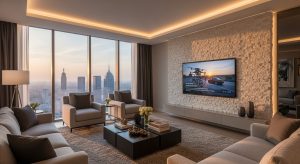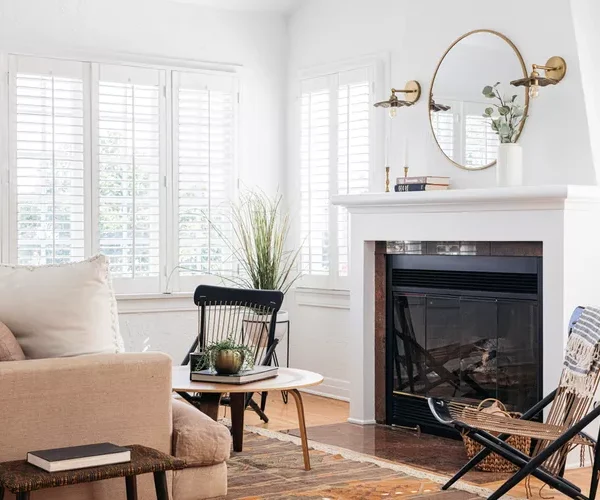
A polished room does not come from money alone. It comes from restraint, nerve, and a sharp eye for what deserves attention. If you have ever stood in your living room, moved a chair three times, and still felt the space looked slightly off, you are not alone. Most homes do not need a full makeover. They need better decisions.
When you want to style interior spaces, the goal is not to impress strangers on the internet. The goal is to create rooms that feel calm, confident, and deeply lived in. Elegant interiors do not shout. They hold their shape, keep their balance, and make everyday life look a little more collected. That matters whether you live in a city apartment, a family house, or a rented flat with awkward corners and bad lighting.
I learned this the hard way after stuffing one room with trendy pieces that looked great alone and terrible together. The fix was not buying more. It was editing harder, choosing better materials, and letting the room breathe. Elegance lives in that discipline. Once you understand the logic behind it, your home starts making sense in a way that feels easy, not staged.
Start With Structure Before You Chase Style
Most rooms fail before decor even enters the picture. The layout feels cramped, the furniture floats for no reason, and the eye has nowhere sensible to land. Elegance starts earlier than cushions, candles, or wall art. It starts with structure. When your room has strong visual order, every decorative move works harder. When it does not, even expensive pieces look confused. This is why the most inviting homes often feel simple at first glance. They have a plan. You can sense it before you notice a single object.
Make the Floor Plan Carry the Room
A room should tell you how to move through it. If you need to sidestep a stool, squeeze past a coffee table, or twist around a lamp, the room has already lost some of its grace. Good arrangement creates ease, and ease reads as elegance faster than any luxury finish ever will.
I once helped a friend fix a narrow lounge that felt oddly tense despite having nice furniture. The problem was not taste. It was traffic flow. Her sofa sat too far from the rug, two chairs blocked the window, and a side table hovered in the center like it had missed its cue. We shifted three pieces, removed one, and the whole room exhaled.
That is the secret people skip. You do not decorate your way out of bad placement. You solve the room first. Pull furniture into conversation zones, keep walking paths clear, and anchor seating with a rug large enough to feel intentional. The room should feel steady under your feet before it tries to look pretty.
Use Scale Like an Adult, Not Like a Shopper
Scale ruins more rooms than color ever does. A tiny rug under heavy furniture looks timid. A massive sectional in a modest room feels like a bad idea you now have to live with. Elegant interiors respect proportion, and proportion is what keeps a room from feeling childish or chaotic.
The mistake often begins in the store. You see one lovely chair under flattering showroom lights, then bring it home and discover it looks apologetic beside your tall bookcase and long sofa. Shopping piece by piece without measuring the room creates visual noise. It happens all the time. It is avoidable.
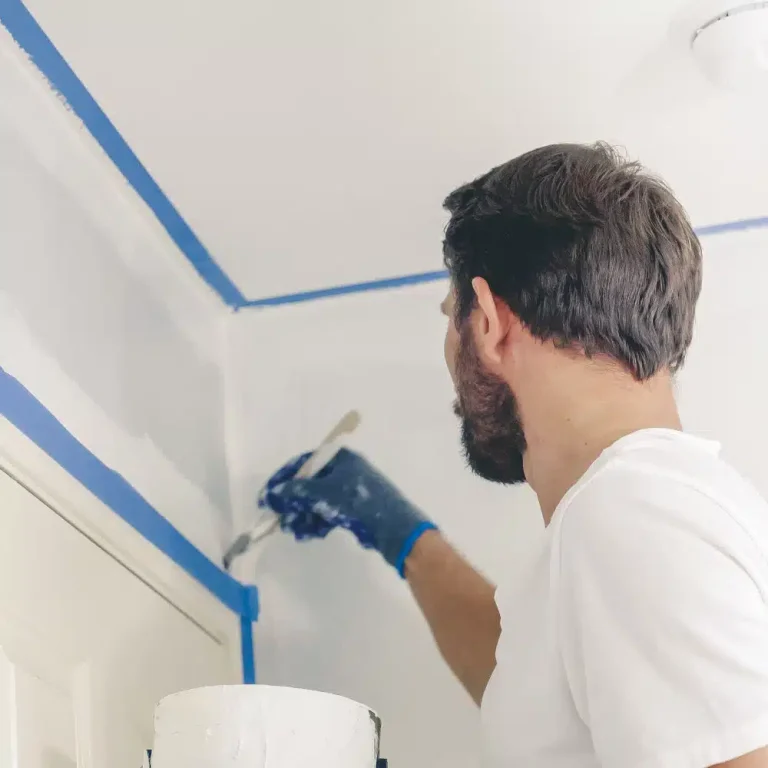
Use painter’s tape on the floor. Measure widths, heights, and clearances. Stand back and judge what the room can actually hold. Strong rooms mix larger anchor pieces with smaller accents, but the relationship must feel deliberate. That balance gives a room weight without heaviness. It feels composed. Nothing strains. Nothing begs.
Build an Elegant Palette That Feels Collected
Once the structure works, color steps in and either supports the room or wrecks it. Elegant spaces rarely depend on loud contrast or random trend shades. They lean on restraint, tonal depth, and materials that age well. That does not mean everything should look beige and sleepy. It means your choices should speak to one another instead of fighting for the microphone. Color works best when it supports mood, light, and texture all at once.
Choose Fewer Colors and Better Ones
Too many rooms look busy because they try to say five things at once. One corner pushes warm earth tones, another throws in icy gray, then a bright accent joins the mess and calls it personality. Elegance asks for editing. Fewer colors, used with conviction, almost always beat a rainbow of half-decisions.
Start with a quiet base that suits your light. Warm whites, stone, mushroom, oat, olive, charcoal, or muted blue can all work, but they need commitment. Then build from that base with two supporting tones at most. This keeps the room coherent without turning it flat or lifeless.
The smartest palettes also account for real life. Morning light changes paint. Evening lamps soften it. Wood tones shift the mood. Test samples on different walls and watch them for a few days. That small patience saves you from expensive regret. It also helps you style interior spaces with a steadier hand because every later decision has a clear backdrop.
Let Materials Create the Real Luxury
A room feels elegant when surfaces hold your attention without begging for it. Linen curtains with a soft fall, oak with visible grain, brushed metal, plaster, marble, wool, and leather all carry a quiet authority. They do not need sparkle to feel rich. They need presence.
One of the most polished dining rooms I have seen used almost no strong color at all. The power came from contrast in materials: a dark timber table, chalky walls, matte ceramic pieces, and heavy drapery that pooled just enough to look relaxed, not sloppy. The room felt expensive because it felt grounded.
This is where smart sourcing matters. You do not need everything custom-made. You need contrast with integrity. Mix smooth with rough, matte with soft sheen, crisp edges with something worn in. A well-placed vintage stool can outclass a glossy new side table every day of the week. Texture gives your palette a pulse.
Use Lighting and Layers to Shape Mood
A room can have perfect furniture, solid colors, and decent art, then fall flat the second the sun goes down. Lighting decides whether elegance survives the evening. It shapes depth, flatters materials, and changes how your home feels at the most human hours of the day. One ceiling fixture cannot do that work alone. It never could.
Stop Relying on One Overhead Light
Nothing kills atmosphere faster than a single bright light from the middle of the ceiling. It washes faces out, flattens corners, and makes even a lovely room feel temporary. If your space only works at noon, it does not fully work. Elegant homes know how to look good after dark.
Layer light at different heights. Use a floor lamp to pull a reading chair into focus. Add a table lamp on a console to warm up a dead wall. Place a small lamp in a kitchen corner that usually disappears at night. The room starts feeling shaped rather than merely visible.
Hotels understand this better than most homes do, which is why some modest boutique rooms feel instantly composed. They never ask one fixture to carry everything. Your home deserves the same care. Light in layers creates intimacy, and intimacy often reads as refinement before the eye can even explain why.
Add Softness Without Adding Clutter
Layering does not mean stuffing the room with decorative fluff. It means introducing depth through textiles, art, books, and objects that earn their place. An elegant room should feel warm, not crowded. There is a difference, and you can feel it almost immediately.
Softness starts with the practical pieces. Curtains should skim with intent, not hover awkwardly above the floor unless the room truly demands it. Cushions should vary in scale and fabric, not look like a matching set from a rushed afternoon buy. Throws should feel like something you would actually use, not a prop.
Then add a few personal notes with discipline. A stack of worn books, a framed black-and-white print, a hand-thrown bowl, or a branch clipped from the garden can do more than ten trendy accessories. For ideas on thoughtful home storytelling and brand-driven visual cues, look at editorial design inspiration. The room should reveal taste, not retail stamina.
Edit Ruthlessly So the Room Feels Intentional
Elegance often shows up in what you remove. That is the hard truth. Many people keep adding pieces because the room still feels incomplete, when the real issue is visual overcrowding. Editing creates dignity. It lets objects matter. It gives the eye space to rest, and that rest is part of the beauty.
Decor Should Suggest a Life, Not Stage One
A room packed with matching accessories rarely feels elegant. It feels purchased in one afternoon by someone trying to finish a checklist. Real homes with style show variation, memory, and a little tension. They feel collected over time, even when they were not.
This does not mean your space needs to look messy or heavily personal. It means each object should contribute something distinct. Maybe a brass lamp brings age, a modern chair brings shape, and a faded rug brings soul. Together they create a layered identity. Without that contrast, a room can feel oddly vacant even when it is full.
The best interiors leave slight room for mystery. A framed sketch from a trip, a ceramic bowl from a local maker, a chair reupholstered in stubbornly beautiful fabric—these details create emotional weight. They tell people you live here. More importantly, they remind you that elegance is not a costume. It is character with restraint.
Know When to Stop and When to Shift
Some rooms do not need more decor. They need one better decision. A larger lamp. A lower coffee table. A rug that finally fits. People often ignore these structural fixes because buying little objects feels easier than admitting the main piece is wrong. But elegance does not reward avoidance.
I saw this in a home office that felt dull despite plenty of styling. The owner had books, framed prints, candles, and baskets everywhere. Still flat. The issue turned out to be the desk chair: bulky, shiny, and visually loud. Replacing that one piece changed the room more than every accessory combined.
So pause before adding another vase. Stand in the doorway and ask what truly feels off. Then act on the answer, even if it is inconvenient. Sometimes the smartest move is subtraction. Sometimes it is one bold correction. Either way, style interior spaces with honesty, not habit. Rooms improve faster when you stop decorating around the real problem.
Bring Personality Into Elegant Rooms Without Losing Control
Many people hear the word elegance and think of cold rooms that nobody actually enjoys. That version exists, and frankly, it is boring. A home should still feel like yours. The trick lies in letting personality show up through choices that have edge, memory, and confidence rather than through clutter or gimmicks. Controlled character is what separates elegant living from generic showroom styling.
Mix Old and New for Depth That Feels Real
A room full of brand-new pieces often looks a little suspicious. Too crisp. Too finished. It can read like a hotel lobby trying very hard to seem relaxed. Elegant homes usually gain depth from contrast between time periods, finishes, and forms. That tension keeps them alive.
A clean-lined sofa beside an old wooden chest creates more interest than two pristine catalog pieces that match too perfectly. The same goes for lighting, art, and smaller tables. New pieces give function and comfort. Older ones bring irregularity, and irregularity keeps the room human.
You do not need a grand antique budget for this. One flea-market mirror with foxed glass, a stool with honest wear, or inherited brass candlesticks can shift the mood fast. Those slightly imperfect notes stop the room from looking sterile. Good. Sterile is never elegant, no matter how expensive the room appears.
Give Every Room One Memorable Gesture
Elegant interiors benefit from a point of view. Not ten. One. A room with no memorable gesture disappears from your mind the minute you leave it. A room with one deliberate note stays with you. That note might be a sculptural lamp, a deep olive ceiling, oversized art, or a dramatic arrangement of branches in an oversized vessel.
The key is confidence without chaos. If you choose bold striped upholstery for the entry bench, keep the surrounding pieces cleaner. If the dining room gets a large dark mural, let the table setting stay simple. Strong rooms know where to speak loudly and where to stay quiet.
This is also where interior elegance becomes more than a soft color palette. It turns into authorship. You make a decision that feels personal and stand behind it. Not every guest will love it. Fine. They are not the ones living there. The room should carry your taste with enough clarity that it feels remembered, not merely admired.
Conclusion
Elegant homes do not emerge from blind shopping, copied trends, or panic decor bought on a Saturday afternoon. They grow out of sharper judgment. You arrange first, edit hard, choose fewer things, and ask every piece to pull its weight. That sounds strict, yet the result feels far more relaxed. Funny how that works.
When you style interior spaces, elegance comes from a mix of control and ease. You need structure strong enough to hold the room together, then warmth enough to keep it from feeling severe. That means better light, richer texture, smarter scale, and details that carry your history without turning the room into a scrapbook. It also means admitting when something is wrong and fixing the real issue instead of decorating around it.
The best part is this: you do not need a mansion or an endless budget to get there. You need a clearer eye and a little nerve. Start with one room. Remove what weakens it. Keep what gives it shape. Then make one brave, thoughtful upgrade this week and let that decision lead the next one. That is how interior elegance stops being a look and starts becoming your standard.
How can I style interior spaces with elegance on a small budget?
Start by editing what you already own. Clear clutter, improve layout, swap harsh bulbs, and add one strong texture like linen or wood. Elegance comes from restraint and proportion, not price. A room with fewer better choices beats expensive chaos every time.
What colors make interior spaces look more elegant?
Muted, layered tones usually win. Think warm white, stone, olive, charcoal, soft blue, or mushroom. These shades calm the room and let materials stand out. The trick is consistency, not drama. Pick a clear palette, then repeat it with slight variation.
How do I make my living room look elegant but still comfortable?
Anchor the layout first, then soften it with real-life textures. Choose seating that invites use, not just compliments. Add layered light, a generous rug, and cushions that do not match too neatly. Comfort becomes elegant when the room feels intentional, calm, and welcoming.
What furniture mistakes ruin an elegant interior look?
Bad scale causes most of the damage. Tiny rugs, oversized sofas, awkward table heights, and blocked walkways make a room feel clumsy. Matching sets can also flatten personality. Elegance needs balance, breathing room, and pieces that relate well instead of merely filling space.
How many decor items should I keep in an elegant room?
Keep fewer than you think. Every visible object should add shape, texture, memory, or function. If a shelf feels crowded, remove a third and look again. Elegant rooms breathe. They do not beg for attention with endless accessories fighting over the same square foot.
Can I mix modern and vintage pieces in an elegant home?
Yes, and you probably should. Mixing old and new gives a room depth, contrast, and credibility. A modern sofa beside a worn wood table feels richer than a perfectly matched suite. The tension between eras makes the room feel lived in, not staged.
What lighting works best for elegant interior spaces?
Layered lighting always works better than one overhead source. Combine ceiling light with floor lamps, table lamps, and softer corner lighting. This shapes the room, flatters materials, and creates evening mood. If your room only looks good in daylight, fix the lighting.
How do I know when a room is finished and not overdecorated?
A finished room feels settled, not stuffed. You can move easily, rest your eyes, and notice a few strong details without distraction. If every surface talks at once, the room needs editing. When nothing begs for attention, that is usually the finish line.