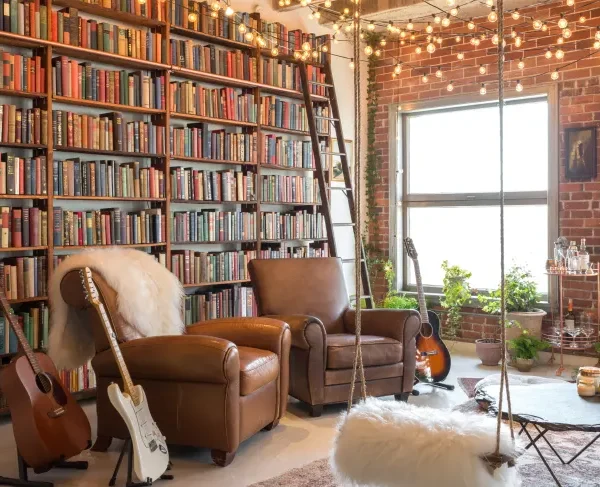
A polished room does not begin with money. It begins with judgment. You can buy a sofa that costs more than your rent and still end up with a space that feels oddly forgettable. That is why style interior spaces well has less to do with shopping and far more to do with restraint, rhythm, and knowing when to stop.
Most people do not live in magazine homes, and honestly, that is a gift. Real rooms get walked through, argued in, napped in, and slowly shaped by daily habits. The trick is making those habits look intentional instead of accidental. Elegant rooms are not stiff or precious. They feel settled, clear-headed, and quietly confident. You notice the calm before you notice the decor. That order matters. When you understand how scale, texture, light, and editing work together, even a plain apartment can feel refined. The goal is not to impress strangers for eleven seconds on social media. The goal is to build a room that gives you relief the second you enter it and still looks good when real life shows up.
Start With Structure Before You Chase Style
A room cannot look graceful if its bones feel confused. You can throw in lovely lamps, expensive curtains, and a clever coffee table book, but the space will still wobble if the layout fights the way you actually live. Elegance begins with structure because your eye reads order before it reads beauty, and that first impression sticks.
Let Furniture Placement Carry the Room
Strong layouts make even modest pieces feel more expensive. I have seen tiny city apartments look calmer than oversized suburban living rooms simply because the furniture sat where it belonged. In one case, the sofa floated a few feet from the wall, two chairs faced it, and the walkway stayed clear. Nothing fancy. Everything made sense.
Distance matters more than people think. When every piece hugs the perimeter, the room feels timid and oddly empty in the middle. Pulling key pieces inward creates conversation, balance, and purpose. That one adjustment often turns a scattered room into one that feels deliberate without adding a single new item.
Traffic flow decides whether a room feels elegant or exhausting. You should not have to twist sideways around a side table or dodge a pouf every time you cross the space. Good placement respects movement, and movement shapes mood. When the room stops resisting you, the style finally has room to breathe.
Use Scale Like an Adult, Not a Guessing Game
Scale is where many rooms lose the plot. A tiny rug under a full seating area makes everything look like it is standing on tiptoe. A ceiling light that is too small leaves the room visually hungry. The fix is not drama for drama’s sake. It is proportion.
Large pieces can be your friend, especially in average homes. One properly sized artwork often looks calmer than a fussy gallery wall made from small, unrelated prints. A full rug under the front legs of every seat feels grounded. Tall curtains hung near the ceiling make the room exhale. Bigger, when chosen well, often reads cleaner.
The mistake is mixing timid pieces with ambitious ones and hoping the room sorts itself out. It will not. Elegant interiors make clear decisions. If your dining table has weight, let the light above it hold its own. If your bed has a tall headboard, give it nightstands that look worthy of the introduction. Rooms notice when you hedge.
Style Interior Spaces With a Clear Visual Story
Once the room has structure, it needs a point of view. Not a theme. Themes usually age badly and end in regret. A visual story is subtler. It is the thread that helps every material, color, and object feel related, so the room looks composed rather than collected in a rush.
Build a Palette That Knows When to Stay Quiet
Color sets the emotional temperature of a room faster than any object inside it. Soft stone, warm white, olive, tobacco, charcoal, and muted clay tend to age well because they support the room instead of shouting over it. That does not mean beige forever. It means choosing colors with depth, not noise.
Elegant rooms usually rely on repetition, not randomness. If a warm oak tone appears in the coffee table, echo it in a picture frame or chair leg. If deep green enters through a cushion, let it return in a ceramic vase or a painted cabinet. Repeated color feels considered. Random color feels like leftovers.
Contrast still matters. A room made entirely of pale tones can drift into boredom if nothing anchors it. This is where a black lamp base, a dark brown chair, or a moody artwork earns its keep. One grounded element tells the eye where to land. That small act of tension gives the room its spine.
Choose Materials That Improve With Time
Shiny perfection rarely feels elegant for long. Rooms gain character from materials that soften, patina, wrinkle a little, and still look better for it. Linen curtains that fall with a relaxed line, aged brass that warms with use, oak that shows grain, and wool rugs that wear in rather than wear out all carry a quiet kind of authority.
Texture saves neutral rooms from flatness. A cream sofa beside a boucle chair, a matte plaster lamp, and a weathered wooden bench feels layered even if the palette stays calm. You do not need ten colors when four textures can do the heavy lifting. That is often the smarter move.
This is also where you separate elegance from showroom sterility. A glass table, velvet cushion, woven basket, ceramic bowl, and brushed metal sconce can sit together beautifully when the shapes are disciplined. The room feels rich because the surfaces speak in different tones, not because every item is begging for attention. Subtle wins.
Light the Room Like You Want People to Stay
Lighting can rescue a plain room or ruin a beautiful one. Overhead glare makes everyone look tired and every surface look harsher than it is. Soft, layered light does the opposite. It flatters the room, makes corners feel intentional, and turns evening into part of the design instead of an afterthought.
Layer Light Instead of Relying on One Source
A single ceiling fixture is not a lighting plan. It is a placeholder. Rooms feel elegant when light arrives from different heights: a pendant or flush mount for general glow, a floor lamp for depth, a table lamp for intimacy, maybe a wall light where you want shape and focus. That layering creates mood without making the room dim.
Think about what happens after sunset. Morning light may make your home look lovely, but you do not actually live only at 10 a.m. You read, eat, talk, and unwind at night, and the room should support that. A warm lamp beside a chair instantly makes that chair look like a destination rather than leftover furniture.
One practical note matters here: bulbs. Cool white bulbs flatten warmth and make decent rooms feel oddly clinical. Warm bulbs, used consistently, help wood look richer and skin tones look human. It is a humble change, but it punches above its weight. Few upgrades cost less and fix more.
Use Shadows, Reflection, and Glow With Intention
Good lighting is not just brightness. It is shape. Shadows give a room dimension, especially when light washes across textured walls, drapery folds, or the grain of a table. That slight play between highlight and shadow adds atmosphere, which is another way of saying the room starts to feel alive.
Mirrors earn their place when they amplify natural light instead of behaving like filler. Across from a window, a mirror can bounce daylight deeper into the room and widen the sense of space. Above a console, it can sharpen an entry without crowding it. Used lazily, though, it feels obvious. Placement decides everything.
Candles still matter, and I will defend them. Even in homes filled with smart lighting, that low flicker brings softness no bulb truly copies. A pair on a dining table or a cluster on a mantel can shift the room from neat to memorable in five minutes. Not every good design move needs a charger.
Edit the Room Until It Looks Effortless
Most rooms do not suffer from a lack of taste. They suffer from too many competing decisions. Elegant spaces feel calm because somebody had the nerve to remove what was merely fine. Editing is not deprivation. It is respect for the room and for your own attention span.
Decor Should Support the Room, Not Crowd It
Accessories work best when they finish a sentence instead of starting twelve new ones. A coffee table with one stack of books, a sculptural bowl, and a small branch arrangement often looks stronger than one stuffed with candles, beads, trays, and novelty objects. Fewer pieces give each object a reason to exist.
Art deserves the same discipline. A room with one large piece above a sofa can feel more grown-up than a wall covered in unrelated prints gathered over six months of indecision. This does not mean your home has to look sparse. It means each item should contribute to the room’s mood, not interrupt it.
Clutter is not always mess. Sometimes clutter is visual chatter: too many colors, too many tiny objects, too many styles arguing at once. That kind of noise drains a room even when every surface is technically tidy. Editing brings relief. You feel it before you name it.
Add Personality Without Breaking the Mood
The fear people have with elegance is that it will erase character. It should not. A refined room with no personal charge feels like a hotel lobby with better cushions. The answer is not more stuff. The answer is better choices: a travel photo enlarged properly, a crooked old stool that adds soul, or a stack of records you actually play.
This is where stories matter. A handmade ceramic piece from a local market often carries more presence than a dozen trendy decor items ordered in a panic. A vintage chair with one repaired arm can look better than a brand-new accent seat that says nothing. Character comes from memory, not from volume.
When you want a little guidance or fresh publishing inspiration, browsing a curated interior design media resource can help you sharpen your eye without copying someone else’s room. That is the real test. Take in ideas, then bring them home in your own voice. Style should reveal you, not replace you.
Make Elegant Rooms Work for Real Life
A beautiful room that collapses under daily use is not elegant. It is just fragile. The best interiors balance grace with practicality so well that you barely notice the engineering underneath. You sit where you want, set things down without panic, and still end the day in a room that looks composed.
Design Around Habits, Not Fantasy
You do not need a perfect lifestyle to have a polished home. You need honesty. If you always drop your bag near the door, create a landing spot that looks intentional. If blankets migrate to the sofa every evening, store them in a basket that suits the room. Design gets better the minute you stop pretending.
Families, pets, guests, work-from-home setups, late dinners, and weekend laziness all shape how a room behaves. A washable rug in a dining area is not a compromise if it still looks handsome. A side table with hidden storage can save a small living room from slow chaos. Practical choices can still look elevated.
The rooms people remember often share one trait: they feel easy to be in. Not stiff. Not precious. Easy. That ease usually comes from details the eye barely notices but the body appreciates, like an armchair near decent light, a tray where remotes disappear, or a bench exactly where shoes come off.
Refresh the Room Seasonally Without Reinventing It
Elegant interiors do not need constant redecoration. They need occasional tuning. In cooler months, heavier throws, deeper tones, and table lamps can make the room feel wrapped up and intimate. In warmer weather, lighter linen covers, clipped branches, and fewer accessories can open the room again without a full overhaul.
This is why a strong base matters. If your sofa, rug, lighting, and core palette are sound, seasonal shifts become easy and cheap. You swap cushion covers, move a lamp, bring in fresh greenery, maybe rotate art from another room. The room changes mood without losing identity. Smart homes do that.
Resisting constant trend-chasing is part of mature style. Not every viral chair deserves floor space in your house. Not every color of the year belongs on your walls. Rooms that age well do so because their owners know the difference between a passing crush and a lasting choice. That restraint pays you back every season.
Conclusion
Elegant rooms rarely scream for attention, and that is exactly why they last. They hold themselves together through proportion, texture, light, and editing, then make space for daily life without looking defeated by it. When you style interior spaces with that mindset, the result feels less like decorating and more like building a kind of personal clarity.
The surprising part is how often refinement comes from subtraction. Remove the awkward chair. Raise the curtain rod. Replace the icy bulb. Give the rug the size it should have had from the start. Keep the piece that carries memory and let go of the one that only filled a corner. These are small acts, but small acts shape rooms with staying power.
Your next step should be simple and honest. Walk through your home tonight and notice where the room hesitates. Fix one hesitation this week, not ten. Then another. That is how elegant homes are made in real life: decision by decision, with a clear eye and a bit of nerve. Start there, stay observant, and let your rooms become quieter, sharper, and far more yours.
What is the first step to style interior spaces with elegance?
Start with layout, not decor. Arrange furniture around movement, conversation, and comfort before buying anything new. Once the room flows naturally, every later choice becomes easier, and the space already feels calmer, more refined, and far more expensive than it did.
How do I make a small room look elegant without spending much?
Use fewer, better-scaled pieces and give them breathing room. Hang curtains higher, choose one large artwork, add a warm lamp, and clear visual clutter. A small room feels elegant when it looks intentional, not crowded, and that shift costs surprisingly little.
Which colors work best for elegant interior spaces?
Soft neutrals, earthy greens, deep browns, warm whites, charcoal, and muted clay usually age beautifully. The secret is balance, not trend chasing. Choose calm colors with depth, repeat them across the room, and add one darker note to keep everything grounded and polished.
How can lighting make interior spaces feel more elegant?
Layer light from different heights instead of depending on one overhead fixture. Mix ceiling lights, lamps, and candlelight to create depth and comfort. Warm bulbs help too. Good lighting softens edges, flatters materials, and makes a room feel inviting long after sunset.
Can I style interior spaces elegantly if I have kids or pets?
Yes, and you should plan for real life instead of fighting it. Choose durable fabrics, washable rugs, smart storage, and furniture that can handle use. Elegance comes from thoughtful choices and order, not from making your home feel untouchable or tense.
How often should I update an elegant room design?
You do not need constant updates. Refresh the room seasonally with textiles, greenery, or small decor shifts, but keep your main pieces steady. A strong base saves money, reduces trend regret, and helps your space feel settled rather than endlessly unfinished and restless.
What decor mistakes make a room lose its elegant look?
Bad scale, harsh lighting, tiny rugs, cluttered surfaces, and too many competing styles drain elegance fast. Rooms lose grace when nothing relates properly. Edit hard, choose proportion wisely, and stop adding things just because a corner feels empty for one afternoon.
How do I add personality without ruining an elegant interior?
Keep the room disciplined, then add pieces with history or meaning. A vintage chair, personal photograph, handmade ceramic, or travel find brings warmth without chaos. Personality works best when it supports the room’s mood instead of hijacking it for attention entirely.