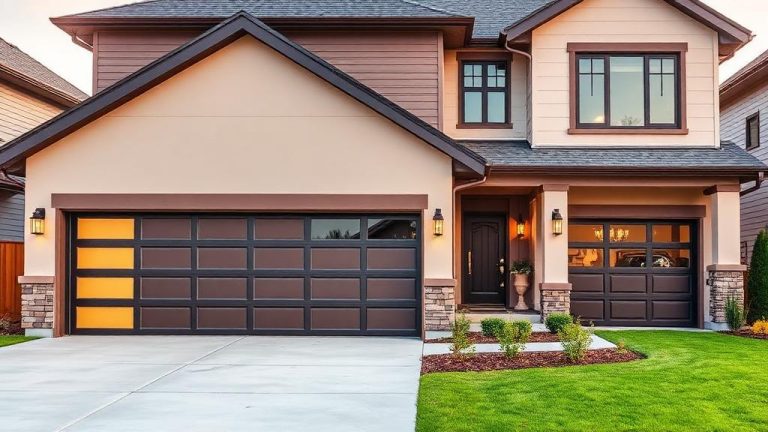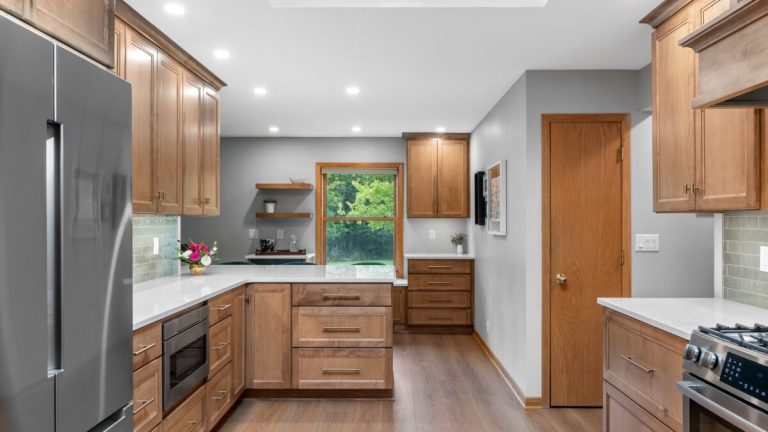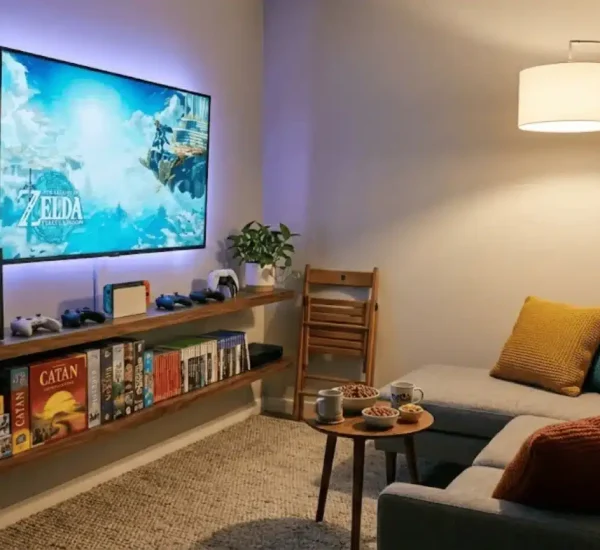
A polished room is rarely about money. It is about judgment. You can walk into a small apartment with chipped paint and still feel calm, impressed, even a little spoiled, while a giant house full of expensive pieces can feel like a furniture warehouse with commitment issues. That difference comes from choices, not price tags. If you want to style interior spaces well, you need more than a shopping list. You need a point of view, a sense of restraint, and the nerve to leave some things out.
Elegant rooms do not beg for attention. They hold it. They feel settled, thoughtful, and lived in by someone who notices how light hits a wall at four in the afternoon. That is the standard worth chasing. Whether you are working with a narrow rental bedroom, a family lounge that takes daily abuse, or an open-plan home that feels too bare, the goal stays the same: shape rooms that feel easy on the eye and good on the nerves. Good design should lower your heart rate a little. Anything else is just clutter with better lighting.
Start With Structure Before You Chase Beauty
Most rooms go wrong before the first cushion lands on the sofa. People rush toward decor because it feels fun, then wonder why the room still feels off after a weekend of shopping. The answer usually sits in plain sight: the layout never made sense. Elegant rooms begin with balance, movement, and breathing room. You do not decorate your way out of a bad plan. You fix the bones first, then dress them with care.
Let the Room Tell You Where Things Belong
Furniture placement should solve a problem before it creates a mood. In a small living room, that may mean pulling the sofa off the wall by a few inches so the space stops feeling pinned flat. In a larger room, it often means breaking one huge area into smaller conversation zones. The room gets better the second it starts acting like it knows its job.
Sightlines matter more than people admit. When you enter a room, your eye should land somewhere intentional, not trip over a side table, a random basket, and a television fighting for power. Pick one visual anchor, maybe a fireplace, artwork, or window, and let everything else support it. A room that knows where to look feels calmer within seconds.
Scale is where many homes lose their nerve. Tiny rugs under big sofas, skinny lamps beside chunky chairs, art hung too high like it is scared of the wall. None of that feels elegant. It feels hesitant. Measure honestly, choose pieces with proper presence, and let size work for you instead of against you.
Empty Space Is Part of the Design
A crowded room can still look expensive, but it will almost never look graceful. Empty space gives your furniture shape and your eye a place to rest. That does not mean your room should feel cold or sparse. It means every object needs a reason to stay. If nothing can breathe, nothing can shine.
Walkways deserve more respect than they get. When you squeeze around chairs or sidestep a coffee table every day, your body notices even if you stop talking about it. That quiet irritation builds. A refined room allows movement without apology. You should never feel like you are negotiating with your own furniture.
I have seen this shift transform homes fast. One client-sized mistake appears everywhere: too much in the middle, not enough thought at the edges. We moved a bulky armchair, removed one unnecessary side table, and replaced a massive console with a leaner piece. Suddenly the room looked twice as smart. Space itself did the heavy lifting.
Use Color and Material With a Steadier Hand
Once the structure feels right, the room starts asking for mood. This is where many people overcorrect. They pile on trends, grab five finishes instead of two, and mistake variety for depth. Elegance asks for editing. A room feels richer when color and material choices speak to each other instead of shouting across the room. The smartest spaces often sound the quietest.
Build a Palette That Knows When to Stop
A controlled palette does not mean a boring one. It means you choose a family of tones and let them deepen naturally across the room. Warm white walls, mushroom upholstery, walnut wood, and black accents can do more for a home than twelve busy colors ever will. The room feels composed because the choices feel related.
Contrast gives shape to softness. If everything is pale, the room drifts. If everything is dark, it can feel heavy. You need tension. That could mean a charcoal lamp against linen curtains, or a deep olive chair inside a light neutral room. The point is not drama for drama’s sake. The point is definition.
This is where elegant interior styling earns its keep. You stop asking whether each item is pretty on its own and start asking whether it improves the room as a whole. A brass mirror might look lovely in a shop and still be wrong at home if every other finish already leans cool. Good taste is often the art of saying no.
Mix Textures So the Room Feels Alive
Texture saves a room from looking flat, especially when the palette stays restrained. A boucle chair beside a smooth wood table, a matte ceramic vase on a polished stone surface, a soft wool rug under a crisp-lined sofa, these pairings give the eye something to enjoy without creating noise. Texture is how subtle rooms avoid becoming sleepy.
Material honesty matters. Fake finishes often reveal themselves in the exact moment you hoped they would pass. A laminate pretending to be old oak rarely fools anybody for long. You do not need everything to be costly, but you do want each piece to feel comfortable in its own skin. A plain painted table can look far better than a fake luxury version.
One of the easiest upgrades for small and large spaces is to repeat one material with intent. Maybe that is oak in the shelving, picture frames, and dining chairs. Maybe it is black metal in lighting and hardware. Repetition creates rhythm. Rhythm creates confidence. And confidence is often what people mean when they say a room feels elegant.
Layer Light Like Someone Who Actually Lives There
Lighting is the detail people ignore until sunset, then suddenly the whole room turns flat, sharp, or gloomy. A ceiling fixture alone will not save you. It barely starts the job. Elegant interiors treat light like a layered experience, not a single switch. You need softness, direction, and enough variation to match the room at noon, dinner, and late evening when everything should feel kinder.
Overhead Light Should Not Do All the Work
The big light is useful, but it is rarely flattering. If you rely on one ceiling fixture, the room becomes harsh from above and strangely lifeless at eye level. That is why elegant homes build from multiple sources: table lamps for warmth, floor lamps for shape, wall lights for depth, and candles when you want the room to exhale a little.
Placement matters as much as the fixture itself. A lamp tucked too low behind a chair becomes a sad glow instead of a real contribution. A floor lamp jammed into a corner can feel like an afterthought. Put light where it supports living: next to reading seats, near a console, beside a bed, or washing softly across a textured wall.
The most common mistake I see is brightness without mood. People buy stronger bulbs because the room feels dim, then end up with a space that looks like a waiting area at a private clinic. Better lighting comes from layers, not aggression. Once you stack sources at different heights, the room starts feeling deeper and far more human.
Natural Light Deserves Better Framing
Windows often get dressed too heavily or too timidly. Short curtains can make a room look stingy, while flimsy panels that never quite meet the floor feel unfinished. Hang curtains high and wide, let them frame the window instead of strangling it, and choose fabric with enough body to fall well. That one move changes a room faster than most furniture swaps.
Mirrors can help, but only when used with restraint. A mirror placed opposite a window can bounce light beautifully through a dim room. A mirror placed just to fill a wall often looks like a nervous decision. Ask it to do a job. Reflect something worth seeing. Otherwise, skip it.
If you want a room to feel more polished after dark, treat lighting as decoration, not backup. Sculptural lamps, dimmable sconces, and warm bulbs do more than brighten a room. They shape its mood. That is also why I recommend browsing trusted design coverage like interior style inspiration when you feel stuck. Good examples train your eye faster than guesswork.
Decoration Should Reveal a Life, Not Stage a Store
Once layout, palette, and lighting are right, the room no longer needs saving. It needs character. This is the stage where elegance either deepens or falls apart. Many spaces get too dressed, too themed, or too eager to impress. Real style leaves room for personality. It allows memory, oddity, and usefulness to sit together without turning the room into a scrapbook.
Choose Objects With a Point of View
Decor should never feel like you panic-bought it to finish the room. The best objects create friction in a good way. Maybe it is an antique stool in an otherwise clean-lined bedroom, or a slightly crooked handmade bowl that softens a polished dining table. Those pieces work because they carry a story, a texture, or a little attitude.
Artwork deserves courage. Small, generic prints scattered around a room often weaken it. One larger piece with presence can do far more. The same goes for styling shelves. Stop filling every inch. A stack of books, one sculptural object, a framed photo, then some air. Done well, a shelf reads like a sentence. Done badly, it reads like a clearance aisle.
This is also where style interior spaces becomes personal rather than formulaic. You stop chasing rooms that look copied from a catalog and start building something that fits your life. A home with children, pets, guests, deadlines, and actual meals should not pretend otherwise. Elegant design that cannot survive living is just a costume.
Edit Ruthlessly So the Good Stuff Can Speak
The final pass matters more than the first. Once a room looks almost finished, remove three things. I mean it. Take away one decorative object, one textile, and one small piece of furniture if the room can spare it. Then stand back. Very often the room sharpens instantly because the strongest choices finally have room to matter.
Not every treasured item deserves front-row placement. Some things belong in storage, some in another room, and some need a season off. That is not disrespect. That is curation. Homes feel richer when they are selective. A room should reveal taste, not inventory.
The counterintuitive truth is that elegance rarely comes from adding more. It comes from knowing when enough has arrived. That is why the final layer should feel light on its feet, even in small and large spaces alike. When a room holds function, comfort, and personality without strain, people notice. They may not know why. They will feel it anyway.
A Well-Styled Room Changes How You Carry Yourself
Elegant interiors do more than look good in photos. They steady daily life. You fold into a chair more easily, notice less visual friction, and stop feeling vaguely irritated by corners of the house you could never quite explain. That shift is not trivial. It changes how you cook, host, rest, and think. The homes that stay with you are not always the grandest ones. They are the rooms that feel clear, intentional, and quietly generous.
That is why style interior spaces should never mean copying one trend or buying a matching set and calling it done. It should mean learning how structure, color, light, and editing work together until the room starts carrying some emotional intelligence of its own. Good design has manners. It welcomes you in, makes your day smoother, and never begs for applause.
So start where the room hurts most. Fix the layout that annoys you, the lighting that flattens everything, the clutter that steals the eye. Then build with more nerve and less noise. Keep what earns its place. Cut what does not. If you want your home to feel more elegant next month than it does today, stop waiting for perfect taste to arrive fully formed. Train it by making one smart decision at a time, and make the next one before the old habits return.
What is the easiest way to make a room look more elegant?
Start by clearing visual clutter, then fix the furniture layout before buying anything new. Add one larger rug, better lamps, and longer curtains. Most rooms improve fast when they gain breathing room, warmer light, and fewer small, fussy decorative pieces overall.
How do I style small spaces without making them feel crowded?
Choose fewer pieces with real purpose, not many tiny ones that create visual noise. Keep walkways open, raise curtains higher, and use closed storage where possible. Small rooms feel better when the eye can travel easily without bumping into clutter everywhere.
What colors make interior spaces feel elegant and timeless?
Soft neutrals, warm whites, earthy browns, muted greens, charcoal, and deep navy tend to age well. They give a room calm structure and allow texture to shine. Loud color can work too, but it needs discipline, contrast, and a very steady hand.
How important is lighting when styling interior spaces beautifully?
Lighting changes everything because it shapes mood, depth, and comfort more than people expect. One ceiling fixture rarely does enough. Layer lamps, wall lights, and warm bulbs at different heights so the room feels flattering, useful, and settled from morning to night.
Can I create an elegant home on a modest budget?
Yes, because elegance comes more from restraint than spending. Edit hard, buy fewer better-looking essentials, paint walls well, improve lighting, and choose textiles with texture. A thoughtful room with secondhand gems often feels far richer than an expensive room bought too quickly.
What decorating mistakes make a room look less refined?
The usual offenders are undersized rugs, curtains hung too low, art placed too high, matching furniture sets, and surfaces crowded with decor. Rooms also suffer when every finish competes. A refined space needs scale, contrast, editing, and a little breathing room.
How do I mix modern and classic pieces without the room feeling confused?
Pick one element to lead, then let the other support it. A modern sofa can sit beautifully beside an old wood table if color, scale, and texture connect them. The room feels smart when contrast looks chosen rather than accidental or trendy.
How often should I update my interior decor to keep it elegant?
You do not need constant updates. Refresh when the room stops serving your life well, not when the internet gets restless. Seasonal textile swaps, better lighting, and sharper editing usually do enough. Elegant homes evolve slowly because confidence rarely needs dramatic reinvention.