A room can look expensive, calm, and deeply personal without being stuffed with trendy junk or drained of all life. Most homes miss that mark for one simple reason: people decorate first and think later. If you want to style interior spaces with real elegance, you need a sharper eye, steadier restraint, and a little nerve to leave good ideas out.
Elegant rooms do not beg for attention. They hold it. You feel the difference the second you walk in: the light sits better, the furniture makes sense, and nothing looks like it was panic-bought during a late-night scroll. That kind of comfort is not luck. It comes from knowing what belongs, what clashes, and what is trying too hard. The best part is that elegance is not reserved for grand homes or giant budgets. It starts with choices that feel thoughtful instead of random. A quieter palette, cleaner lines, and a stronger sense of purpose can turn even a cramped flat into a place that feels settled, grown, and quietly impressive.
Start With Restraint Before You Start Shopping
Most rooms fail long before the furniture arrives. They fail when every surface gets treated like an empty stage that must be filled immediately. Elegant design begins with subtraction, not addition. I have seen modest apartments look richer than oversized houses simply because the owners stopped buying decorative filler and started protecting visual space. Empty space is not wasted space. It is breathing room, and your home needs it more than another bowl, basket, or candle.
Edit the Room Until the Good Pieces Can Breathe
A room gets stronger when fewer things compete inside it. That sounds obvious, yet many people keep layering in side tables, stools, plants, baskets, trays, and little objects until the space starts panting. When everything asks for attention, nothing earns it. Elegance depends on contrast, and that includes contrast between presence and absence. A clean stretch of wall or floor lets the eye rest, which makes the pieces you keep look more intentional.
Editing is not about making your home cold. It is about making it legible. Think of a living room where a well-shaped sofa, one serious lamp, and a textured rug carry the scene. Now compare that with a room that has six scatter cushions in clashing fabrics, three small accent tables, and shelves packed edge to edge. One feels composed. The other feels like it is pleading its case. Calm wins.
This is where many so-called cozy setup ideas go wrong. They mistake clutter for comfort. Real coziness comes from softness, warmth, and ease of use, not from stacking every sentimental object in one corner. Keep what adds feeling, remove what adds noise, and your room will suddenly look more expensive without costing another rupee.
Choose a Focal Point and Let It Lead
A room without a focal point wanders. Your eye keeps moving, but it never lands. That restless feeling ruins elegance faster than a bad paint color. Every room needs one clear anchor: a fireplace, a bed with presence, a sculptural light fixture, a dining table with real heft, or even a striking piece of art. Once that lead element is chosen, the rest of the room should support it rather than compete with it.
This does not mean everything must match. Matching is often the fast road to boredom. It means the supporting elements should know their role. If your dining table has a dramatic stone top, the chairs do not need to shout. If your bedroom headboard has shape and texture, the bedside decor should stay disciplined. One star. Strong supporting cast. That is the rhythm.
I learned this the hard way after helping a friend redo a narrow lounge that had three “statement” pieces fighting each other: a patterned rug, an oversized mirror, and a loud velvet sofa. None of them were ugly on their own. Together, they were a traffic jam. We kept the sofa, softened the rug, moved the mirror, and the room finally exhaled. Sometimes elegance is just the result of choosing who gets the last word.
Build a Calm Foundation With Materials and Color
Once the room has space to breathe, the next battle is mood. Color and material do more than decorate; they decide whether a room feels grounded or scattered. Elegant spaces usually avoid extremes. They do not lurch from icy minimalism to syrupy excess. They sit in the middle with confidence, using texture, tone, and finish to create depth without chaos. That is what makes a room feel finished rather than staged for a photo.
Use Fewer Colors but Better Layers
Elegant rooms rarely depend on a rainbow to feel alive. They get their richness from layers within a tighter range. Off-white walls, oat linen, walnut wood, warm metal, and a charcoal accent can say far more than ten competing shades ever could. Limiting color is not a boring move. It is a disciplined one. You are giving materials a chance to speak instead of forcing color to do all the work.
The smartest approach is to choose a base mood first. Maybe your room leans warm with sand, clay, tobacco, and cream. Maybe it feels cooler with stone, taupe, smoke, and soft black. Either path can look elegant if the tones relate to each other. A common mistake is mixing a warm beige sofa with a grey floor, bright white trim, and brass accents that sit somewhere else entirely. The room feels undecided because it is.
Paint also deserves more respect than it gets. A harsh white can flatten a room and make decent furniture look cheap. A softer neutral with depth can change everything. Go stand in a room at 8 a.m. and then again at sunset. That wall color will not behave the same way. Light edits color all day. Ignore that, and the room will always feel slightly off, even when you cannot explain why.
Mix Honest Materials Instead of Fake Luxury Signals
Elegant homes do not rely on surfaces pretending to be something else. Faux marble printed too loudly, shiny plastic finishes, and chrome used without thought often create that “trying hard” look people regret six months later. Better to choose simpler materials with integrity. Real wood with grain, cotton with body, stone with variation, aged metal, matte ceramic, and glass used sparingly all carry dignity because they do not need to fake pedigree.
Texture is where warmth sneaks in. A room with flat finishes everywhere can feel sterile even when the furniture is good. Add a boucle chair, a woven blind, a thick wool rug, or a hand-thrown vase, and suddenly the room feels inhabited. You do not need a dozen textures. Two or three strong ones, repeated with purpose, can transform the atmosphere. The difference is subtle. The effect is not.
This is also the right moment for practical taste. In family homes, beauty has to survive real life. Performance fabric on a sofa, washable slipcovers, and timber that can take a knock are not compromises; they are smart choices. A room is more elegant when it can be lived in without panic. Fragility is not sophistication. It is just stress dressed up nicely.
Style Interior Spaces With Lighting That Shapes Mood
Lighting changes the emotional temperature of a room faster than paint, art, or furniture ever will. You can have gorgeous pieces and still end up with a place that feels flat because the light is wrong. Overhead glare makes even beautiful rooms look nervous. Good lighting softens edges, creates depth, and turns ordinary evenings at home into something far more inviting. If you only fix one thing, fix the light.
Layer Light Like You Would Layer Clothing
No well-dressed person relies on one garment, and no elegant room should rely on one light source. You need layers that work together: ambient light for general visibility, task light where life actually happens, and accent light for mood and shape. A ceiling fixture can help, but it should not do all the work. Add a floor lamp near a reading chair, a table lamp on a console, maybe a wall light near the bed, and the room starts to feel considered.
The trick is placing light where you want activity and feeling, not where the builder happened to put a wire. A lamp beside a sofa says sit here, stay awhile. A small lamp on a hallway table says someone thought about this passage, not just the main rooms. Light creates invitation. That is why hotel lobbies with good lighting feel rich even before you notice the furniture.
Bulb temperature matters more than many people realize. Cool white light can make a living room feel like an office break room. Warm light, by contrast, gives skin, wood, and fabric a fighting chance. Around 2700K tends to flatter most homes. It softens the room without turning everything yellow. This is not glamorous advice, but it may be the most useful one in the whole article.
Let Shadows Do Some of the Work
People chase brightness as if every room must be equally lit from corner to corner. That instinct kills atmosphere. Elegant spaces allow for shadow because shadow creates shape, mystery, and calm. Think of a dining room where the table glows under a pendant while the corners stay slightly dim. That contrast feels intimate. Flood the whole room with ceiling spots, and dinner starts feeling like an interrogation.
Shadows also help highlight what matters. A textured plaster wall looks richer when lit from the side. A framed piece of art gains presence when the surrounding area falls quieter. Even a simple ceramic lamp can cast enough glow to make a room feel layered instead of flat. Light should reveal the room gradually, not announce every inch at once.
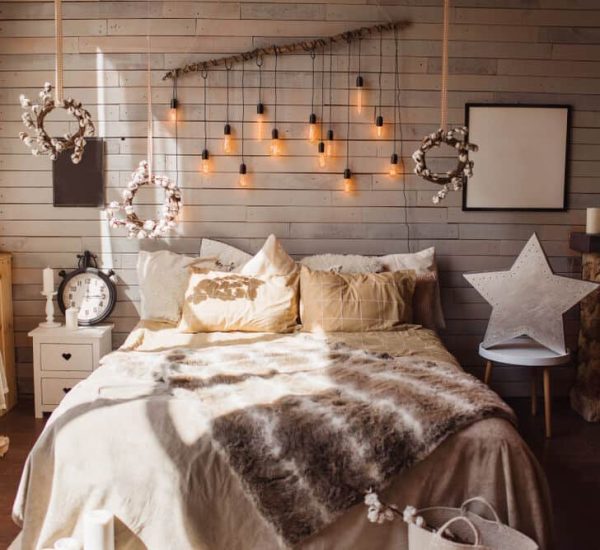
Some of the best cozy setup ideas are really lighting ideas in disguise. A low lamp near a reading chair, a dimmer in the dining area, candles used sparingly on a rainy evening, or a shaded bedside light instead of a naked bulb can change the whole emotional feel of home. You do not need drama. You need glow, placement, and a little restraint.
Finish With Details That Feel Lived-In, Not Decorated
Once the big choices are right, details become powerful. This is the stage where many people lose discipline and start scattering decorative objects like confetti. Elegant homes avoid that trap. They use details to suggest personality, memory, and taste, but they stop before the room turns performative. You want the space to feel lived-in by a real person, not arranged by someone desperate to prove they own a tray.
Bring In Objects With History, Weight, and Personality
A room gets depth when not everything looks newly delivered. One old stool, a worn brass frame, inherited pottery, a stack of books you actually open, or a market find with a chipped glaze can do more for elegance than a perfect showroom set. Those pieces create friction in a good way. They keep the room from feeling generic and let your taste show without shouting.
The strongest interiors carry a few signs of life that cannot be bought in one afternoon. Maybe it is a travel sketch pinned near a desk, a handwoven throw from a family visit, or a bowl that has held keys for years and somehow belongs more than anything else. Those objects matter because they contain memory, and memory softens design. A home should have a pulse.
This is where an eye for editing matters again. Personal objects work best when they are given room and respect. Put three meaningful things on a shelf and they read like a story. Put fifteen there and they blur into inventory. A home does not need more stuff to feel personal. It needs better choices and fewer distractions.
Use Art, Books, and Greenery With Intention
Art is one of the fastest ways to give a room intelligence, but only when it is chosen with nerve. Safe, forgettable prints from the first page of a home store site rarely help. Better to hang one piece that says something than three that say nothing. Scale matters too. Tiny art floating on a large wall often looks apologetic. If you have a strong wall, treat it with conviction.
Books are another quiet signal of taste, provided they look lived with rather than color-coordinated into submission. Stack them where they make sense: by a chair, on a low shelf, beside a bed. Let some covers show, let others sit flat, mix subjects, and stop trying to make them behave like fabric samples. A good room should look like someone thinks there, not just sleeps there.
Greenery helps, but it is not a free pass. One tall branch in a simple vessel can look more elegant than five fussy plants lined up like interns waiting for feedback. Same with flowers. Choose shape over volume. When you need a fresh perspective or want to refine your eye, spending time with interior storytelling and design features can sharpen your sense of what feels timeless versus what merely photographs well for a week.
Conclusion
Elegant rooms do not happen because someone bought the right lamp or copied a polished photo. They happen because the person living there learned how to choose, pause, remove, and then choose again. That discipline is what makes a home feel warm without looking messy, polished without feeling stiff, and personal without turning into a visual diary spread across every surface.
If you want to style interior spaces with elegance, stop chasing instant transformation and start building a point of view. Protect empty space. Trust better materials. Fix your lighting before buying another decorative object. Keep what carries weight and let the forgettable stuff go. That is where the shift happens. Quietly, then all at once.
A home that feels graceful does more than impress guests. It changes how you move, rest, host, and think inside your own walls. So pick one room today and edit it with a colder eye and a warmer heart. Move things out, soften the light, and choose one detail that actually means something. Then keep going. Your home does not need more noise. It needs clarity.
What is the first step when styling interior spaces with elegance?
Start by removing what does not belong. Elegance begins with editing, not shopping. Clear surfaces, simplify furniture placement, and choose one focal point. Once the room feels calmer, every decision gets easier, and the pieces you keep suddenly look smarter and more intentional.
How can I make my home look elegant on a small budget?
Spend less on filler and more on a few strong choices. Paint matters, lighting matters, and clutter control matters most. A tidy room with warm lamps, good curtains, and one handsome vintage find will beat a cluttered room with expensive mistakes every time.
Which colors make interior spaces feel more elegant?
Soft, connected tones usually work best because they create calm without draining personality. Think warm neutrals, muted earth shades, smoky charcoals, and off-whites with depth. The secret is consistency. When undertones agree, the room feels settled, grown-up, and naturally polished instead of confused.
Why does lighting matter so much in elegant interior design?
Lighting decides whether your room feels flattering or harsh. One ceiling light cannot carry that job alone. Layered lamps, warm bulbs, and a few gentle shadows make furniture look better, people look better, and the whole space feel calmer and far more inviting.
How do I keep a cozy room from looking cluttered?
Choose softness with discipline. Keep the blanket, the rug, and the comfortable chair, but cut the random extras. Real comfort comes from texture, warmth, and useful pieces. When every object earns its place, the room stays welcoming without tipping into visual chaos.
What furniture layout feels the most elegant in a living room?
The best layout supports conversation, movement, and one clear focal point. Pull furniture away from the walls when possible, create breathing room between pieces, and avoid stuffing every corner. A room feels elegant when people can move through it easily and naturally.
Are cozy setup ideas compatible with a refined home style?
Yes, completely. The problem is not coziness; it is excess. Cozy setup ideas work beautifully when they rely on texture, warm light, and comfort instead of clutter. A refined room can still feel soft, intimate, and welcoming without losing its sense of control.
How often should I refresh my interior styling?
Refresh lightly with the seasons, but rethink the room only when it stops serving your life well. Swap textiles, move objects, or adjust lighting first. Constant redecorating usually creates waste. A strong room should evolve slowly and still feel right over time.